
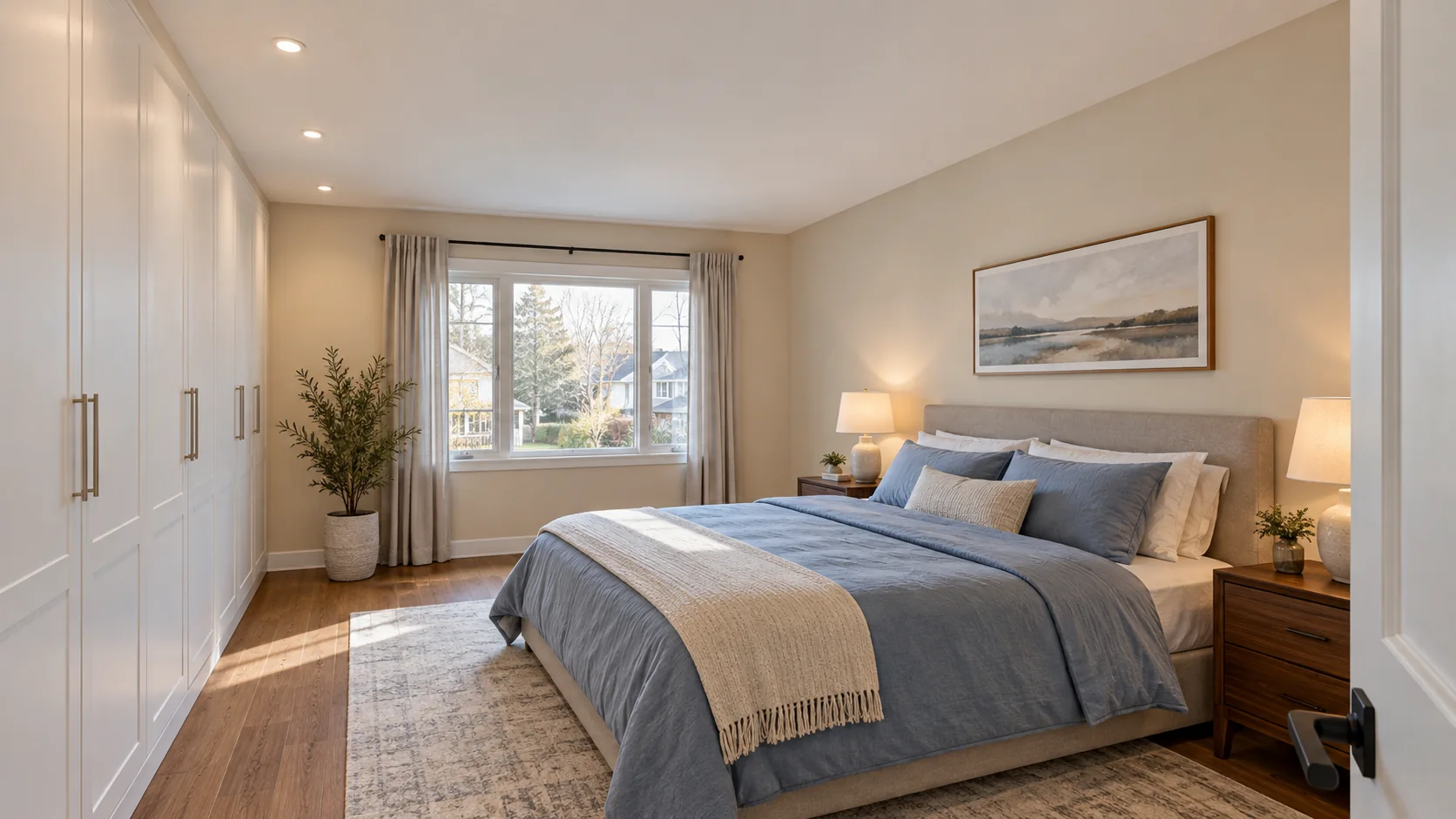
Bedroom pot lights can improve dressing and circulation while keeping the room comfortable for resting. A useful upgrade begins with the bed position, the wardrobe and the view from the pillows. A symmetrical ceiling pattern that looks neat through the door may feel distracting once someone lies down. For a Burlington bedroom, consider those daily viewpoints before choosing the number or position of new fittings.
This service focuses on bedroom recessed-light upgrades and their relationship with bedside sources, wardrobe use and lower evening settings. It can be part of a larger interior lighting upgrade, but the bedroom keeps its own requirements. Compare lighting by room for other spaces, and identify a new installation separately if there is no existing recessed system to retain.
Review the ceiling from the bed
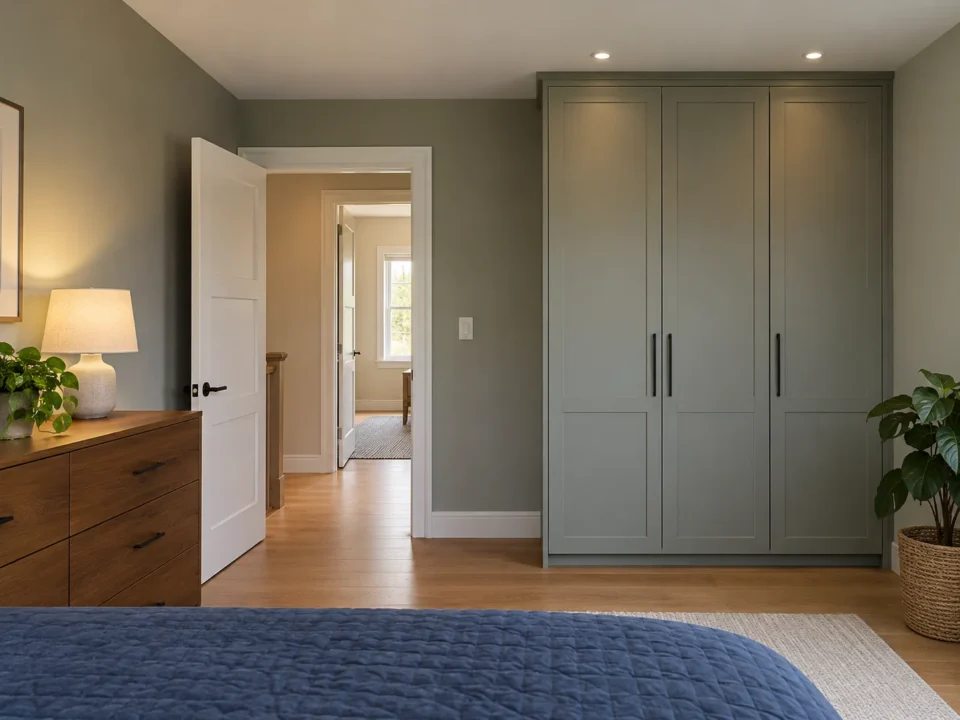
The view from the bed differs from standing in the doorway. Note whether a bright ceiling source appears near the pillows, whether a reflection is distracting or whether the room needs general light only for brief activities. The intended experience should be reviewed from the sleeping and sitting positions, not merely from an empty floor plan.
Use the bed location you expect to keep. Moving from one wall to another can change which fittings are in the direct sightline, and a taller headboard may alter nearby wall-light arrangements. Include the bed size and bedside furniture when the layout is being reconsidered.
A fixture’s optics, shielding and light output matter with its position. The smallest visible trim is not automatically the most comfortable choice. If the existing room feels glaring, describe when the discomfort occurs rather than deciding in advance that more fittings will solve it. Glare guidance helps frame that observation.
Give dressing and storage useful light
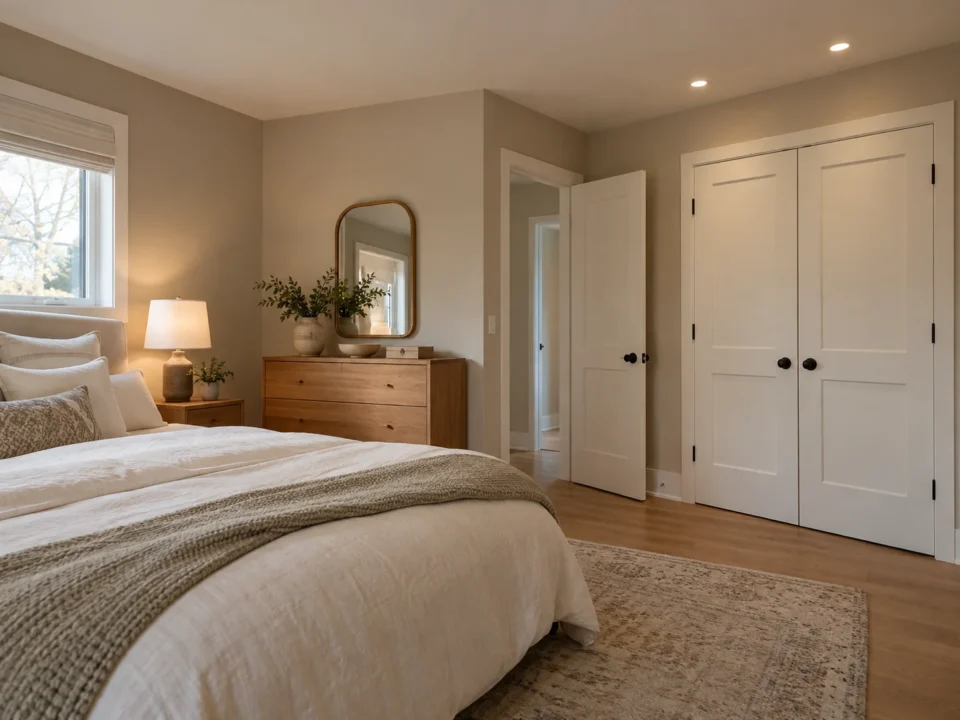
The wardrobe front, the space used to dress and the path beside the bed can need general light even when the centre of the room is already bright. Hinged doors, sliding panels and a separate dresser change that use. Show the wardrobe and the floor area in front of it rather than sending only a close-up of the ceiling.
Dark finishes and a deep wardrobe can create shadows that a general ceiling layer alone may not address. Identify whether the issue is choosing clothes, seeing a drawer or moving comfortably beside the bed. The solution should follow the particular task and appropriate products instead of a universal ceiling offset.
If wardrobes or joinery will change, share the final design before fitting positions are agreed. A light chosen around the existing cupboard may no longer serve a relocated dressing area. Any proposed cabinet or concealed system has its own routes, product and service-access requirements that should be included in the complete scope.
Separate reading from general room light
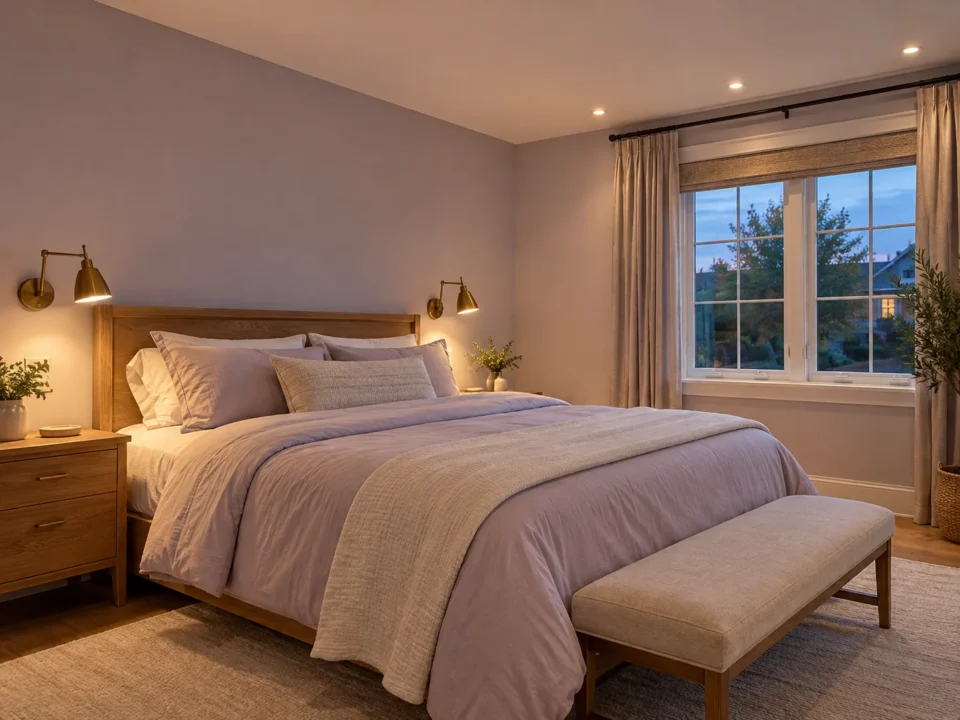
Reading beside the bed is a local task. A wall-mounted reading light or a suitable bedside lamp may remain useful after a ceiling upgrade. Identify whether one person reads while another prefers lower light, and whether the light source can be comfortably operated from the normal position. That discussion helps avoid a single bright setting for every activity.
Bedside tables and headboard dimensions matter if wall fixtures are proposed. A new bed can change the preferred mounting position or expose an old connection point. The intended product should be considered with the furniture and wall access before a location is committed.
Use wall-sconce and reading-fixture lighting for a fixture-focused request alongside the bedroom plan. Retaining a useful lamp does not make the recessed upgrade incomplete; it gives ambient and task sources different responsibilities.
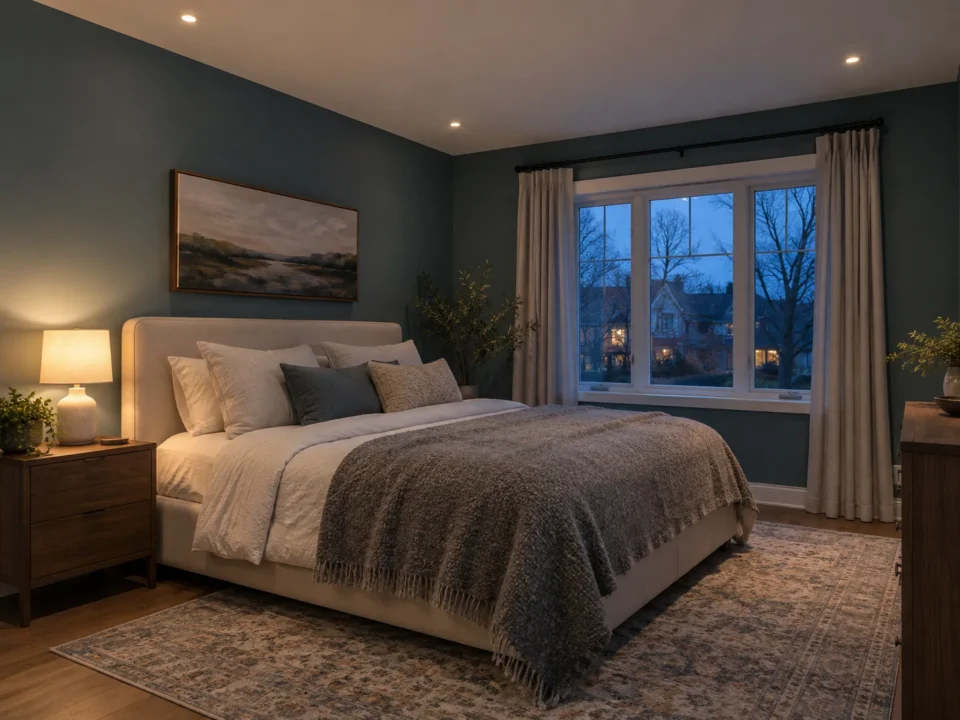
Make the low setting useful
A bedroom may need clear general light for dressing or cleaning and a quieter evening option. Dimming should therefore be considered for the actual installed equipment, not assumed from an LED description. The light, driver where applicable, dimmer and connected group influence how the low end behaves.
Describe the preferred routines: light on entering, a lower setting before sleep or a useful path during a late visit to the wardrobe. Independent bedside sources may be more useful than asking the ceiling group to perform every task. Keep the control arrangement understandable for regular users and guests.
If existing lights flicker, buzz or drop out at a low setting, note when it occurs and seek an assessment. A new dimmer is not a universal diagnosis. Smart lighting and dimmers is the related service for compatible controls, while LED dimming guidance explains the questions to discuss before selection.
Account for another use of the bedroom
A spare bedroom may also contain a desk, exercise area or nursery furniture. Those uses create different needs from dressing and resting. Tell the assessor how frequently they occur and which furniture stays. A desk screen and task surface deserve their own review rather than being treated as another reason to make the whole room brighter.
For regular work, home office lighting provides the specific service route. The bedroom plan can still keep a lower general setting for the other use. If the layout is flexible, discuss the likely arrangements and which lighting groups should remain useful when a bed or table moves.
Guest rooms also need clear operation. A control that relies only on an unfamiliar app may be awkward for a visitor. Explain who will use the room and how the lights should work from the doorway and bedside. Product and wiring conditions determine the practical options.
Coordinate light appearance with the room finishes
Paint, timber, fabrics and daylight affect the appearance of a bedroom. Compare the proposed ceiling source with bedside lamps that will remain. A consistent appearance can make the room feel settled, while deliberately different layers need to be considered together rather than discovered at completion.
There is no single colour-temperature choice that establishes comfort for every bedroom. Discuss the intended evening atmosphere and the dressing tasks, then review the proposed products with the actual finishes where practical. A dimmable source may have its own colour behaviour, which should be understood before it is combined with retained lamps.
Light colour guidance offers background for that choice. If the existing problem is visibly mismatched white tones, note the fittings involved and whether the mismatch changes with the control level. Those observations distinguish an appearance decision from a fault needing investigation.
Assess ceiling access and existing conditions
The bedroom ceiling may sit below an attic, another finished room or a roof slope. Those conditions affect access, suitable fitting space and the routes available for new wiring. An existing trim does not establish that every replacement module will fit its housing or connections. Identify retained recessed equipment early if the upgrade includes only part of the system.
Insulation, product instructions and service access should be considered where relevant. A slim visible fitting still has connection equipment and installation requirements. Clarify any additional openings and who is responsible for ceiling patching or paint matching. The scope should not promise an untouched finish without assessing the actual conditions.
For hired electrical work, verify the responsible Licensed Electrical Contractor through ESA. New recessed installation and wiring changes generally need notification, while replacement exceptions are conditional. Agree the relevant process and completion information for the bedroom work, including any connected control change.
Prepare your bedroom lighting inquiry
Prepare your bedroom request around:
- Room photographs: Photograph the room from more than one doorway or corner so the ceiling, bed, wardrobes and controls are understandable together.
- Dimensions and furnishings: Provide approximate ceiling height and room dimensions, proposed furniture changes and the bedside sources you want retained.
- The everyday concern: Describe whether the concern is glare from the bed, inadequate dressing light or an unhelpful evening setting.
The written scope should identify the new and retained fittings, proposed control groups, access assumptions and finishing responsibilities. If the bedroom is occupied during the work, mention access arrangements and any wider decorating schedule. Use the bedroom lighting inquiry to explain the routines you want supported before selecting a standard fixture count.
Include the doorway and adjoining routine
Bedroom lighting is also used when entering, dressing briefly or leaving for the hall. A wardrobe group that works well during the day may not be the preferred setting for a short evening visit. Explain whether you currently have to cross the room to change the light, or whether an adjoining hall provides the only illumination at the threshold.
The bedroom and hall can be considered with different roles and levels. That does not mean making the bedroom as bright as the circulation route. It means defining which source should support each activity and what control arrangement is practical for the actual wiring. Where the hall itself needs improvement, include hallway and stair lighting as connected scope.
Bedroom Pot Lights Gallery
Bedroom Pot Lights Questions
Should pot lights sit directly above the bed?
The view from the bed needs assessment with the product and proposed output. A neat doorway view does not establish comfort from the pillows. Layout and design can consider the actual arrangement.
Can my bedside lamps stay?
Retained lamps can be part of the room plan. They may provide reading or softer evening light while recessed fixtures serve dressing and circulation. Identify the lamps and furniture positions you want to keep.
Can bedroom pot lights dim very low?
The useful low range depends on the selected lights, drivers where applicable and compatible controls. It should be discussed and checked for the actual group. See smart lighting and dimmers for control-focused work.
What if the bedroom also has a desk?
Include the desk, screen and frequency of use in the inquiry. A separate task source or control group may be useful. Home office lighting covers the specific workspace considerations.
Can existing recessed lights simply take new LED modules?
Existing housings, trims, connections and controls need assessment for compatibility. Do not assume every module is interchangeable. LED pot-light upgrades is the relevant route for modernization of an existing recessed system.
What information should I send?
Send room and ceiling photographs, bed and wardrobe locations, approximate dimensions, retained lights and the evening or dressing problem you want addressed. Use the project inquiry without opening electrical equipment.