
Choose the question before choosing the product
Lighting planning is easier when the decision is clear. How many fittings might a room need? Where should they sit? Will the chosen light appearance work beside existing fixtures? What conditions affect a finished ceiling? These questions are related, but they are not the same question. Begin with the one that could change your next purchase or project decision.
This guide library organizes those choices into room planning, fixture selection, ceiling feasibility, Ontario approval questions, controls and exterior light. Use the explanations here to prepare a more focused conversation about the property. The guides provide planning context; they cannot establish hidden construction, approve an installation or replace an assessment. If you already want to arrange work, compare the Pot Lights or Lighting Services routes instead.
Find your next step
Explore the lighting guides
Pot Light Installation Cost in Burlington
A useful pot-light budget starts with a written scope. Compare ceiling access, coverage, selected fittings, controls, finishing and Ontario notification responsibilities so each proposal…
Explore guide
How Many Pot Lights Does a Room Need?
Pot-light quantity depends on the room’s activities, selected fittings, ceiling and other lighting layers. Use this guide to prepare a useful room brief and…
Explore guide
Pot Light Spacing Guide
Good spacing connects ceiling fittings to tasks, walls, circulation and everyday sightlines. Review distribution and overlap with the selected product, then account for ceiling…
Explore guide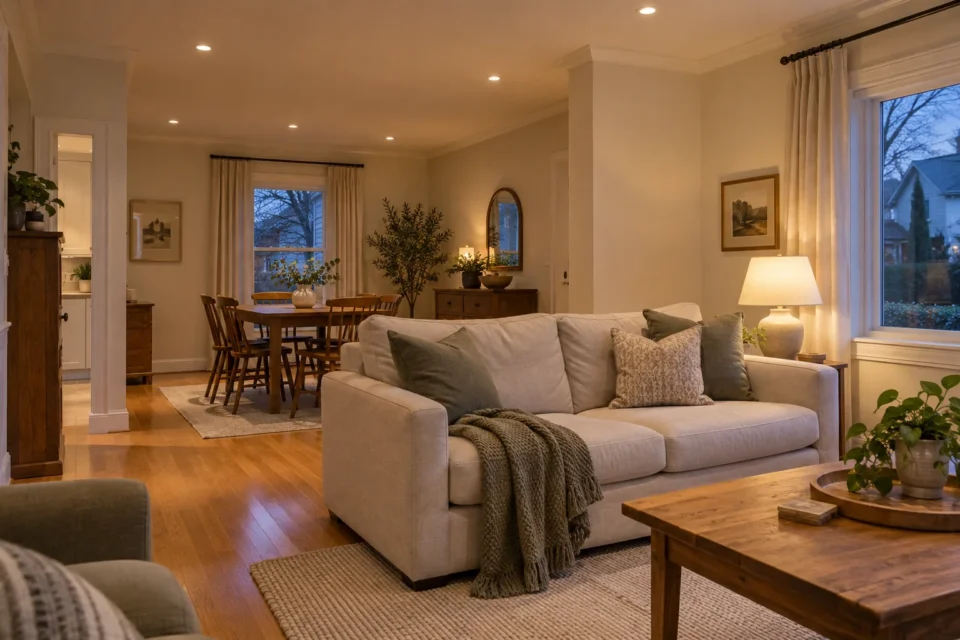
3000K vs 4000K Pot Lights
Compare warmer and more neutral-looking pot lights through finishes, activities, retained lamps and the view between rooms. Colour temperature describes one aspect of the…
Explore guide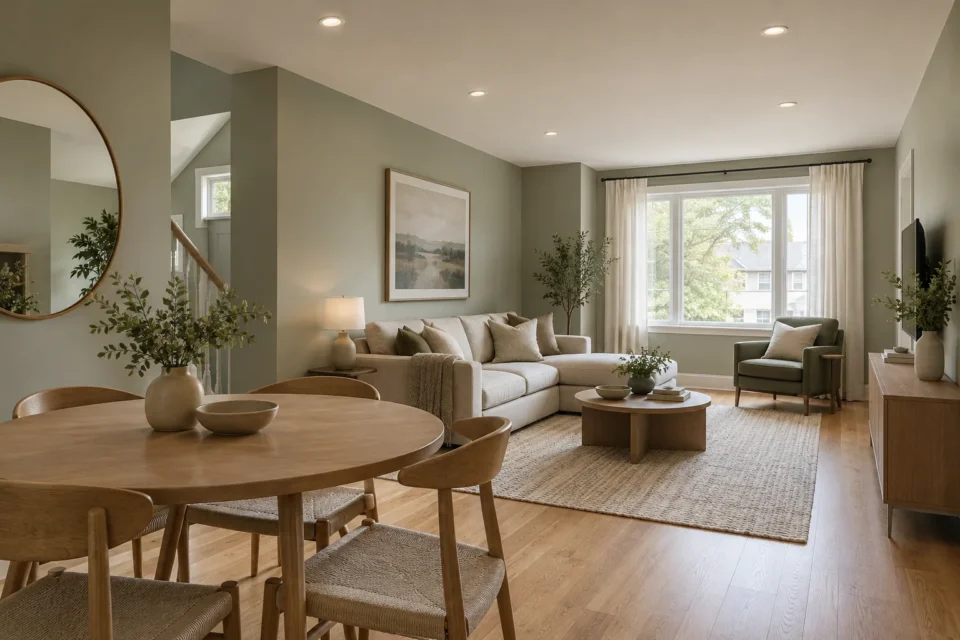
4-Inch vs 6-Inch Pot Lights
A pot light’s diameter changes its ceiling presence, but it does not tell you how much useful light reaches the room. Compare aperture, delivered…
Explore guide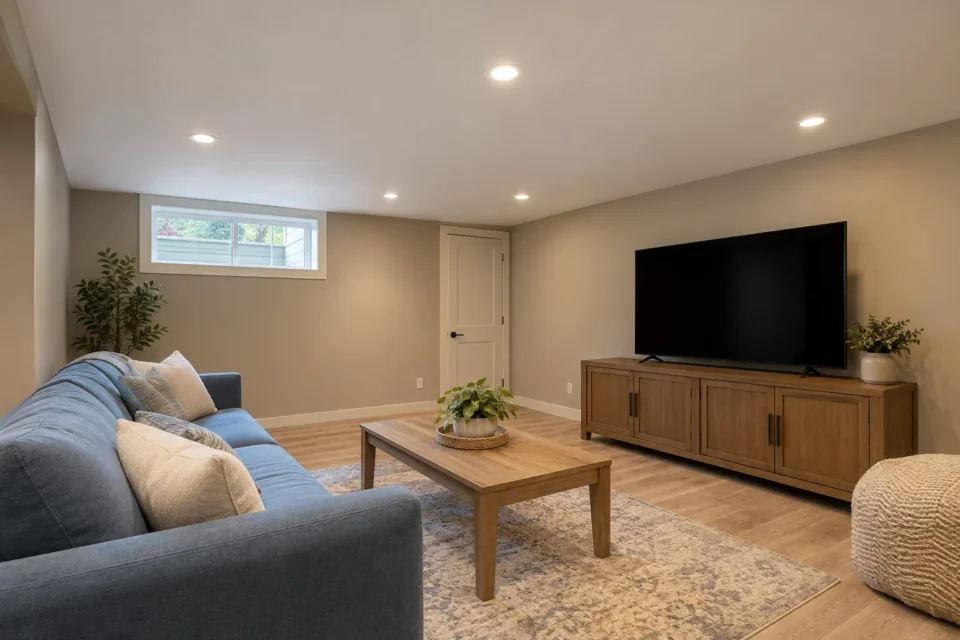
Slim LED vs Traditional Recessed Lighting
Slim LED fixtures and traditional recessed housings solve different ceiling and lighting problems. Compare the complete assembly, optical choices, available depth, driver access and…
Explore guide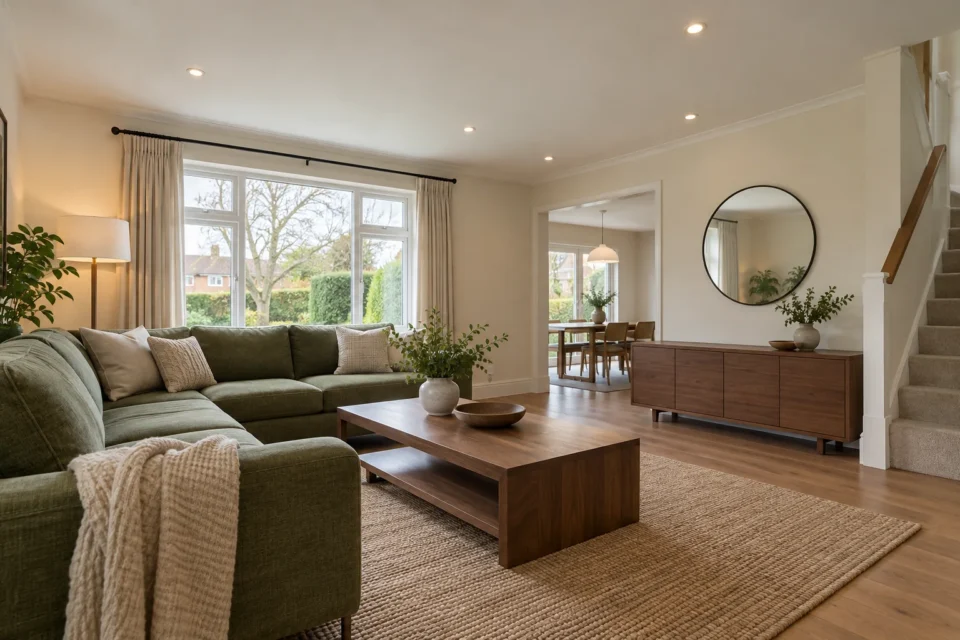
Installing Pot Lights Without Attic Access
Lack of attic access does not automatically prevent recessed lighting, but it changes what must be assessed. Ceiling construction, joists, services, routing, insulation and…
Explore guide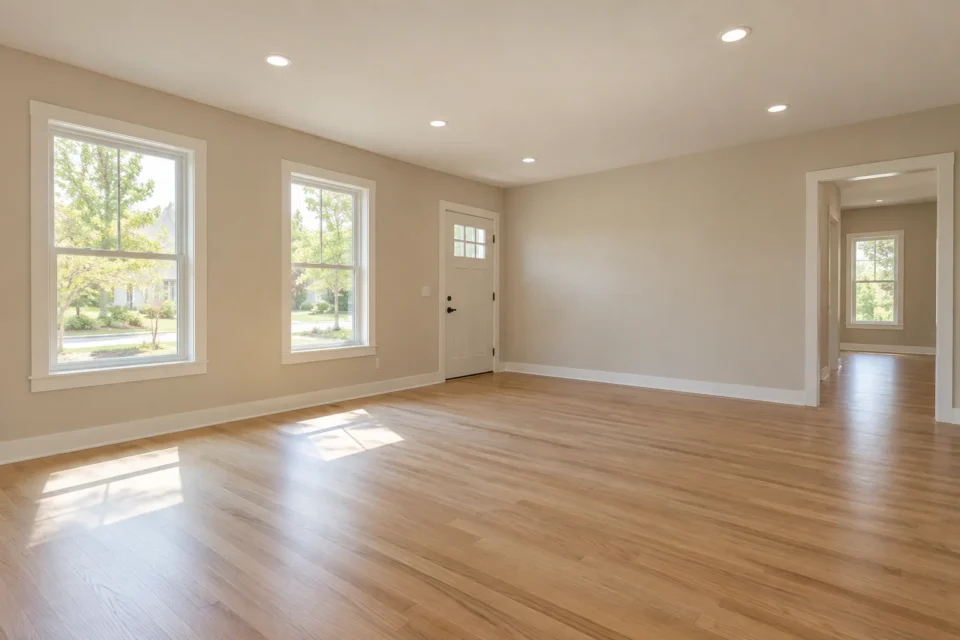
ESA Requirements for Residential Lighting Work
New lighting work, a fixture replacement and a broader renovation can involve different approval questions. Understand who is responsible for electrical work, when an…
Explore guide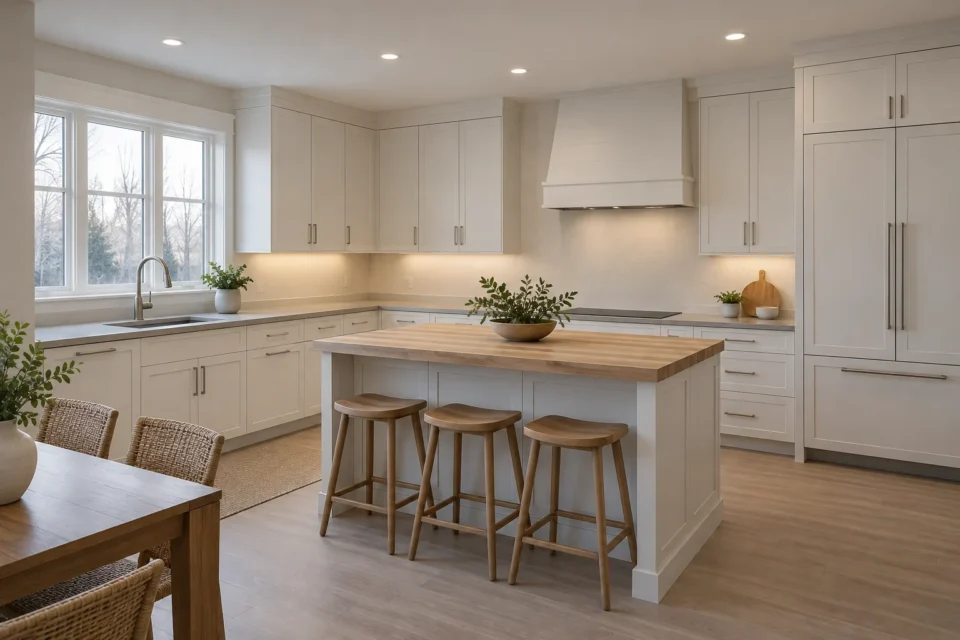
Approved LED Lighting Products in Ontario
A familiar logo or an attractive online listing does not settle whether a light is approved for use in Ontario. Check recognized approval of…
Explore guide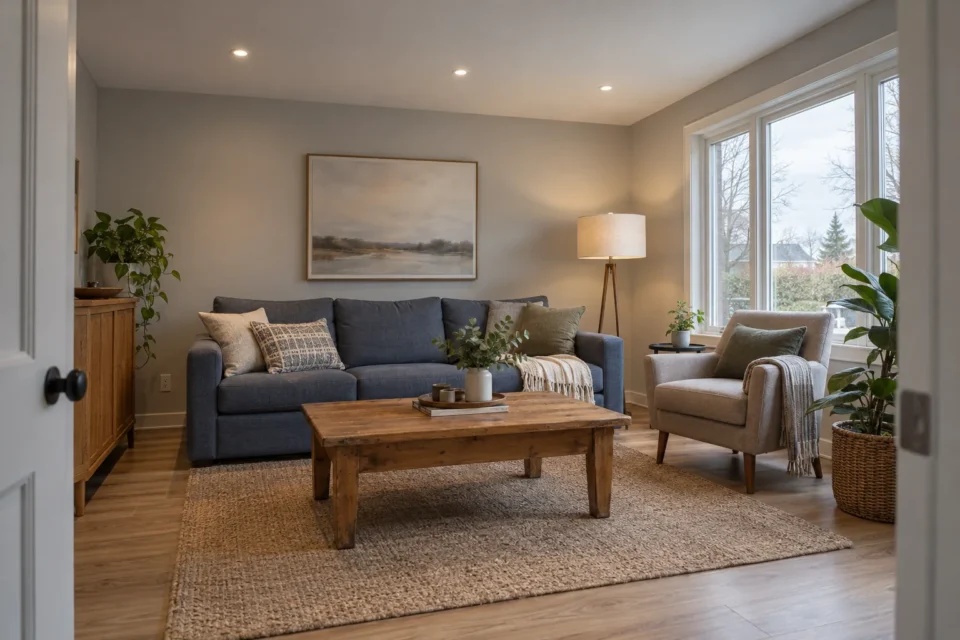
LED Dimmer Compatibility
Choose LED fixtures, drivers and dimmers as one coordinated system. This guide explains what to confirm before buying, how to describe the dimming range…
Explore guide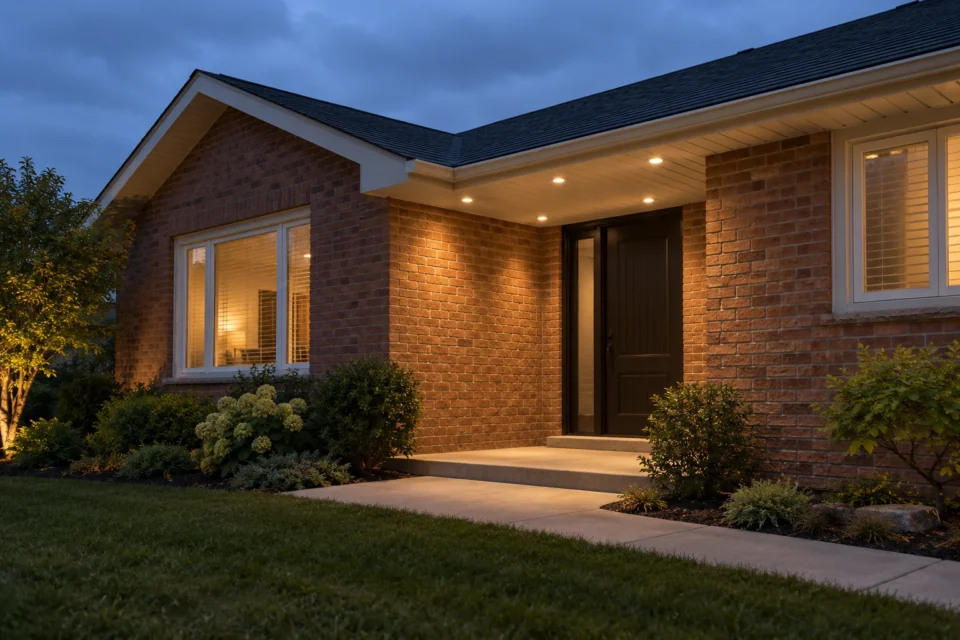
Soffit Pot Light Layout Guide
A useful soffit layout follows the entrance, roof geometry and surfaces that need light. Learn how to compare placement, beam spread, setbacks, control zones…
Explore guide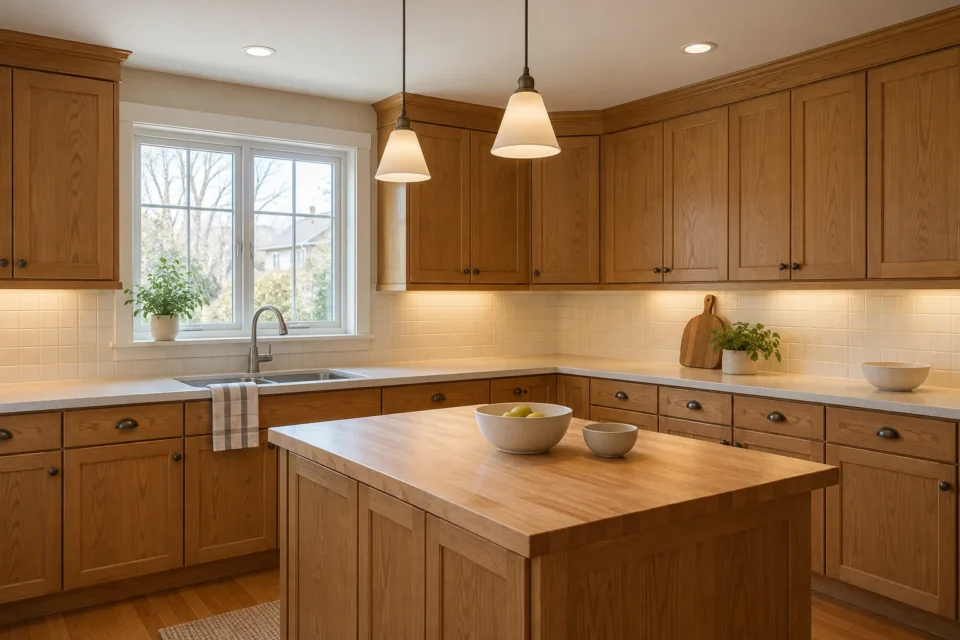
Kitchen Lighting Layers
Kitchen lighting is easier to plan when each layer has a clear job. Compare general room light, direct counter illumination and visual accents, then…
Explore guide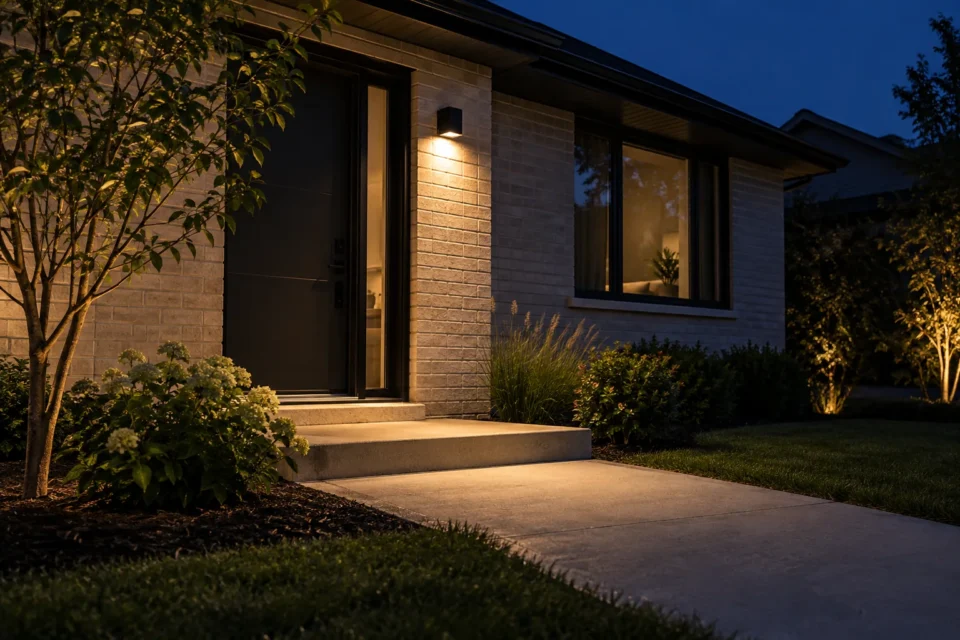
Outdoor Lighting, Glare & Light Trespass in Burlington
Plan Burlington exterior lighting around useful surfaces, comfortable views and the property boundary. This guide distinguishes glare from unwanted spill, explains the City’s dated…
Explore guide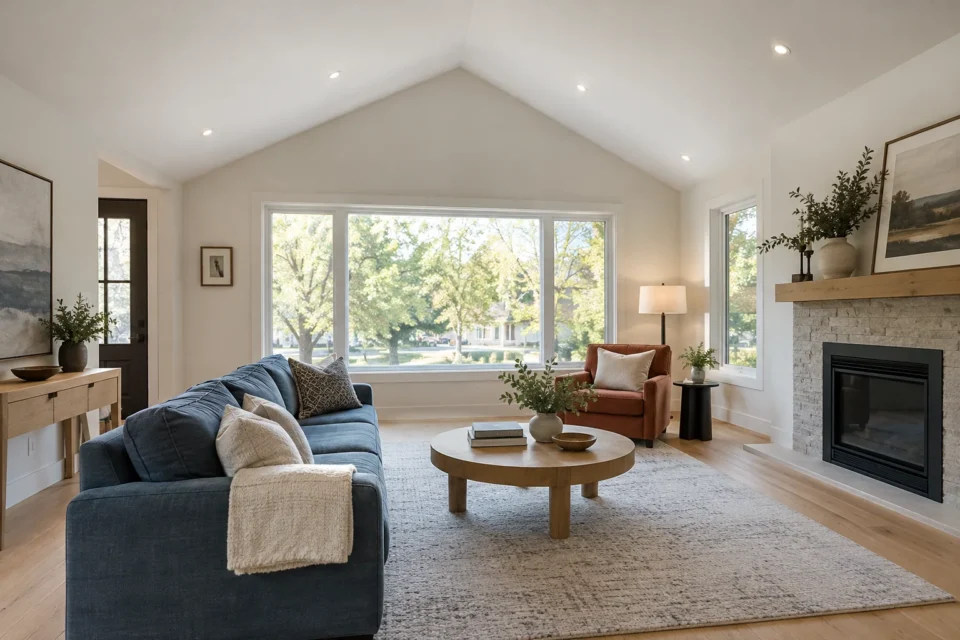
Quantity and spacing answer different needs
How Many Pot Lights Does a Room Need? concerns the amount of useful light. Room dimensions alone do not settle it: ceiling height, selected output, beam distribution, finishes, tasks and other sources matter. A room used for television in the evening may need a different balance from the same-sized room used for detailed work. Begin by marking the activities and the brighter setting you need.
Pot Light Spacing Guide concerns location. Once the lighting role is understood, positions need to relate to walls, counters, furniture and ceiling obstacles. A neat grid on an empty floor plan can put light behind the person at the work surface or in an uncomfortable sightline. Consider quantity and placement together, but avoid treating a spacing formula as proof of the right count. Pot Light Layout & Design is the service discussion for a layout request.
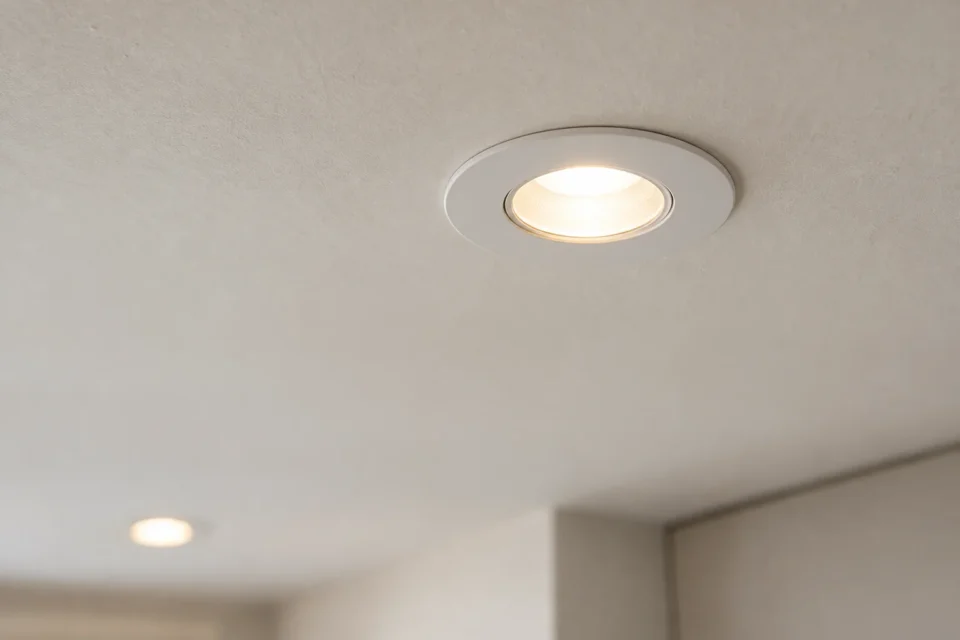
Compare appearance, output and fixture format
3000K vs 4000K Pot Lights starts with the appearance of white light. Look at the connected rooms, cabinet colours and the evening atmosphere you want. A Kelvin value describes colour appearance; it does not independently tell you how bright a room will be. An existing mismatch belongs in the Lighting Problems discussion before purchasing more mixed products.
4-Inch vs 6-Inch Pot Lights separates aperture size from output and beam. A larger visible opening is not automatically the better choice. Slim LED vs Traditional Recessed Lighting compares systems and the conditions that can affect fit, depth and future servicing. Identify the actual product rather than relying on a generic online description. For new work, Pot Light Installation is the service for new installation; an existing system may instead call for LED Pot Light Upgrades.
Make ceiling feasibility part of the early plan
Installing Pot Lights Without Attic Access addresses a practical planning question: what conditions may affect work when access from above is limited? Finished surfaces, joists, services, available depth and the route between locations all deserve attention. Insulation, air and vapour barriers, and relevant fire separation can introduce additional requirements. A slim fitting does not make those conditions disappear.
For a renovation, describe which ceilings are open, which are staying and which are due to be repaired or painted. If the room has a bulkhead, slope or suspended ceiling, include that in a wide photograph. Ask about any necessary openings and who will handle finishing after the agreed electrical work. Basement Pot Lights addresses the lower-ceiling and multi-use room context; the Lighting by Room hub helps connect the construction question to the activities below it.
Approval questions to ask before work begins
ESA Requirements for Residential Lighting Work explains the distinction between the electrical contracting business, notification and the applicable acceptance process. When hiring electrical installation in Ontario, verify the Licensed Electrical Contractor through ESA. New pot-light installation and wiring changes generally require a Notification of Work; some replacement work is exempt under specific conditions. Confirm which situation applies to the actual scope.
Approved LED Lighting Products in Ontario focuses on recognized electrical product approval. Approval and location suitability are separate checks: the chosen fitting must also suit the exposure, ceiling conditions and manufacturer instructions. A component mark or a weather rating alone does not answer every complete-product approval question. A wider renovation may involve municipal approvals as well; those are distinct from ESA notification. Bring uncertainties to the Licensed Electrical Contractor or ESA rather than assuming one document covers all of them.
Controls and kitchen layers belong in the same conversation
LED Dimmer Compatibility is a selection question to resolve before buying a new combination. Record the fixture, driver and dimmer model information when available, then check the relevant manufacturer compatibility information. Dimming behaviour depends on the actual combination. If the equipment is already flickering or dropping out, record the symptom safely and use the problem library to organize the assessment request.
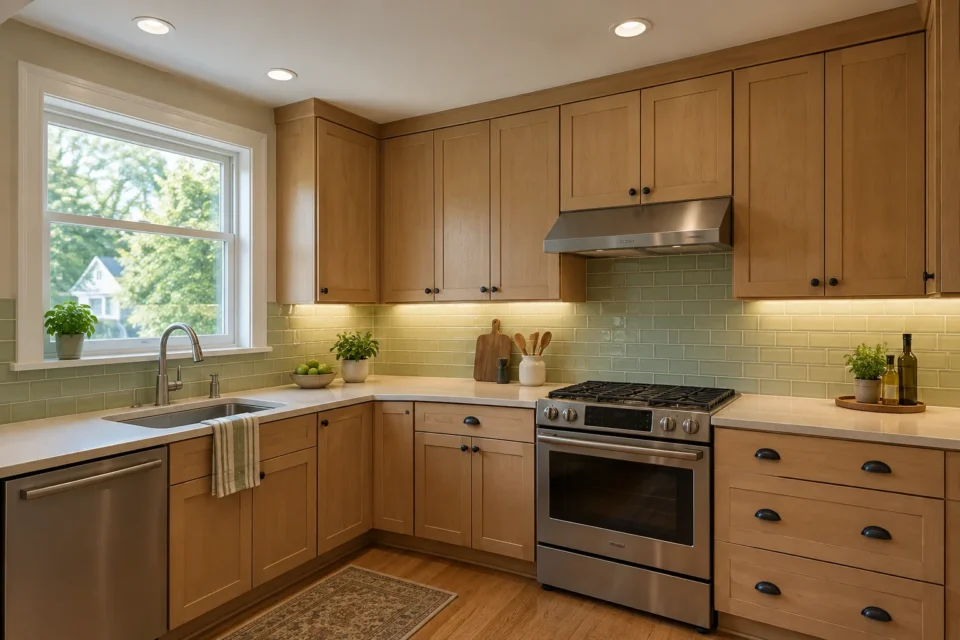
Kitchen Lighting Layers considers which source serves which activity. Ceiling light, island pendants and under-cabinet light can provide general, task and decorative roles without all being used at the same level. Final cabinetry, counters and seating positions help make the discussion specific. Kitchen Pot Lights is the service route for the ceiling plan, while the Fixtures & Task Lighting hub compares the other fixture and task-light options.
Plan exterior light from the property boundary inward
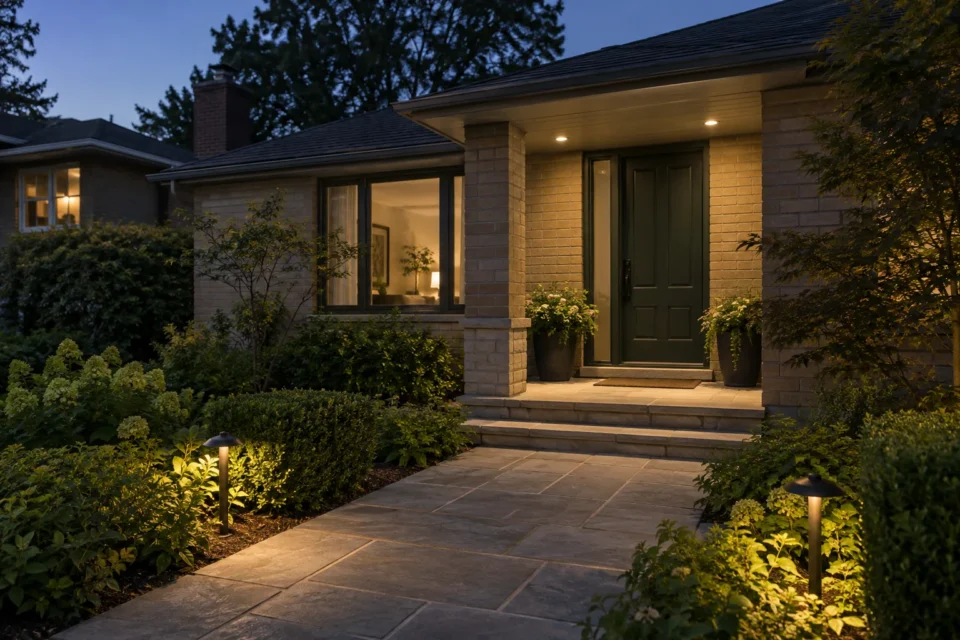
Soffit Pot Light Layout Guide considers the roofline, door and wall surfaces. The goal is useful light in the intended area, not the largest possible number of bright openings. Windows, reflective siding, neighbouring properties and viewing angles can all change the result. Include those features in the planning photographs along with the soffit and entrance.
Outdoor Lighting, Glare & Light Trespass in Burlington puts placement, output, shielding and controls into local context. Burlington’s outdoor-lighting guidance addresses residential uses as well as development projects. Approval questions depend on the property and scope; a development submission checklist does not automatically describe every residential retrofit. For an installation request, explore Exterior & Soffit Pot Lights, Outdoor & Landscape Lighting or Motion & Security Lighting according to the actual lighting purpose.
Compare scopes before comparing the final price
Pot Light Installation Cost in Burlington explains the parts of a scope that can affect an estimate: quantity and selected products, ceiling access, existing conditions, controls, notification responsibility and any required finishing. Two totals are difficult to compare if one includes products and ceiling repair while the other describes only part of the electrical work. Ask for the inclusions and exclusions in writing.
To turn a planning question into a request, include the room or outside location, property type, dimensions if known, ceiling condition and the change you want. Add selected product information and wide photographs when useful. Do not open electrical equipment to gather details. Request an Estimate when the project needs assessment, or return to Lighting Problems if an existing symptom is the main concern. A focused brief makes the next questions clearer without requiring you to know every technical answer.
Questions before you begin
Are these guides installation instructions?
They explain planning choices and questions to ask. They do not provide wiring steps, approve a property or replace the assessment and applicable requirements for the actual installation.
Which should I decide first: quantity or spacing?
Begin with the room use and lighting role, then consider quantity and placement together using the selected output, beam, ceiling and surfaces. A fixed spacing rule is not a substitute for the room-specific plan. Review pot-light spacing considerations.
Does product approval mean a fitting suits every location?
No. Recognized approval is one check. Exposure, insulation or ceiling conditions, control compatibility and manufacturer installation requirements must also suit the actual location. See approved lighting products in Ontario.
Can I compare lighting estimates by the price per light?
That figure may leave out important differences. Compare the products, access, controls, notification responsibility, finishing and other included work as part of the written scope.
Where should I start if my current lights flicker?
Begin with the Lighting Problems library and record safe visible observations. Choosing a new dimmer or fixture before the existing symptom is assessed can miss the actual issue. Start with flickering pot lights or Lighting Problems.