
Describe what happens before naming the cause
Lighting symptoms can look similar while involving different conditions. A flicker may appear only at a low dimmer setting, after a recent change or across a whole group of fittings. A room that feels dark may have functioning lights but poor coverage on the surfaces that matter. Start with what you can safely observe, rather than assuming that a bulb, dimmer or circuit is the answer.
This library separates visible and audible electrical symptoms from lighting-performance questions. It helps you prepare an assessment request: where the symptom occurs, how many lights are involved, when it happens and whether anything changed beforehand. It cannot diagnose the installation remotely. Do not remove switch plates, open drivers or enter electrical enclosures to collect information. If there is smoke, sparking, a burning smell or visible electrical damage, stop using the affected equipment and seek urgent help appropriate to the situation.
Find your next step
Find your lighting problem
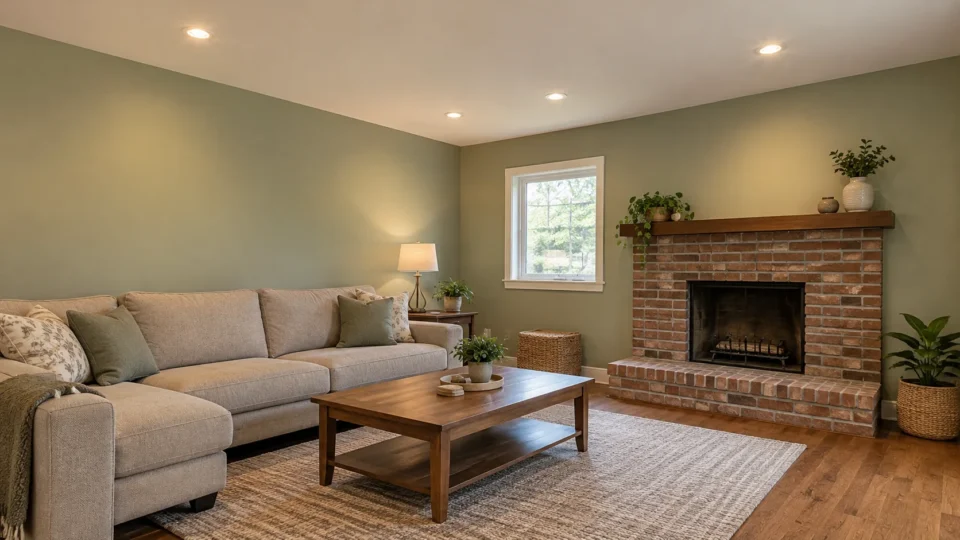
Flickering Pot Lights
Visible flicker deserves a clear description and a professional assessment. Note whether one fitting or a whole group changes, when it happens and whether…
Explore topic
Buzzing Lights or Dimmers
A hum, buzz or other unexpected sound near lighting needs context: where you hear it, when it began and whether visible changes or damage…
Explore topic
Pot Lights Not Working
An unlit pot light and a failed lighting group call for different descriptions, but neither pattern proves the cause. Record the affected locations, recent…
Explore topic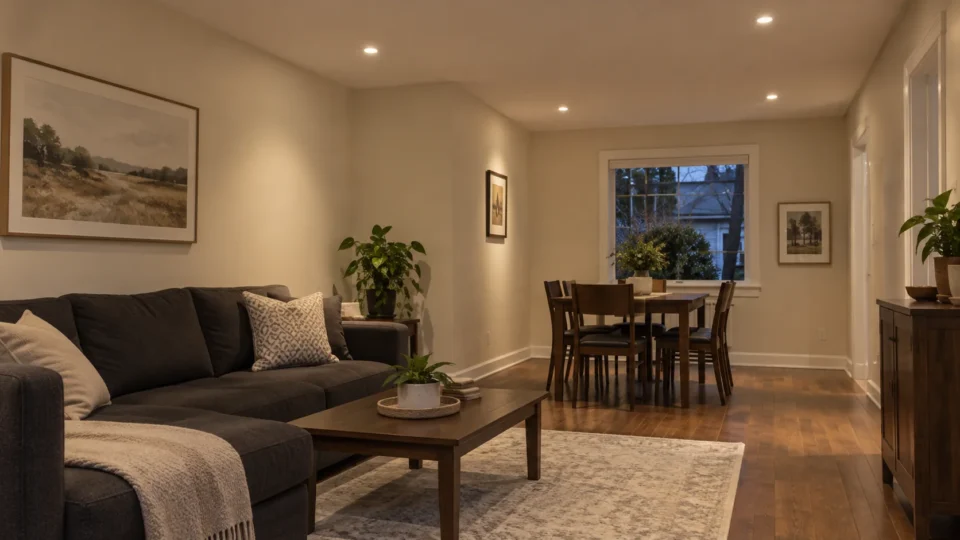
Room Still Looks Dark
A room can have illuminated pot lights and still feel dark where daily activities happen. Describe the surfaces that need light, the shadows you…
Explore topic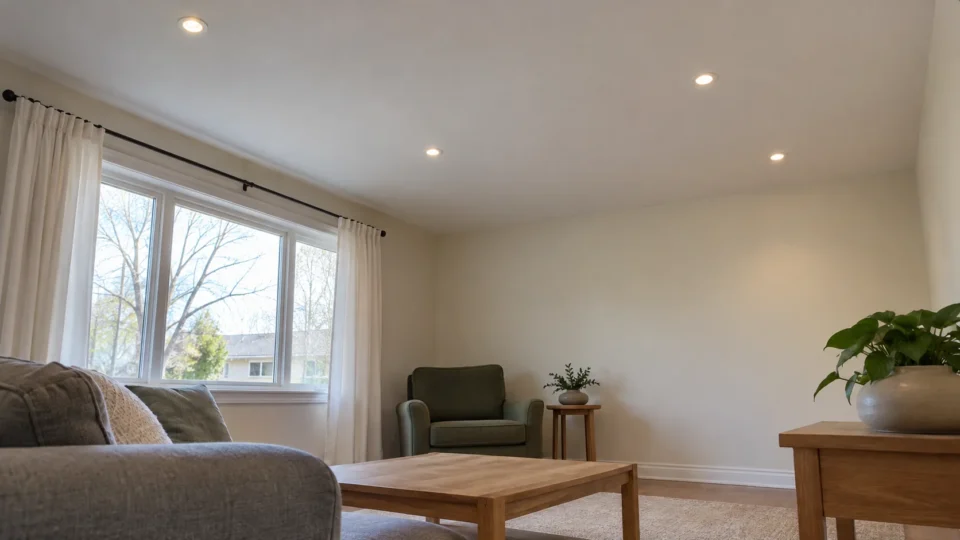
Pot Light Glare
Pot light glare can come from a bright source in the normal view or a reflection on a screen or polished surface. Describe the…
Explore topic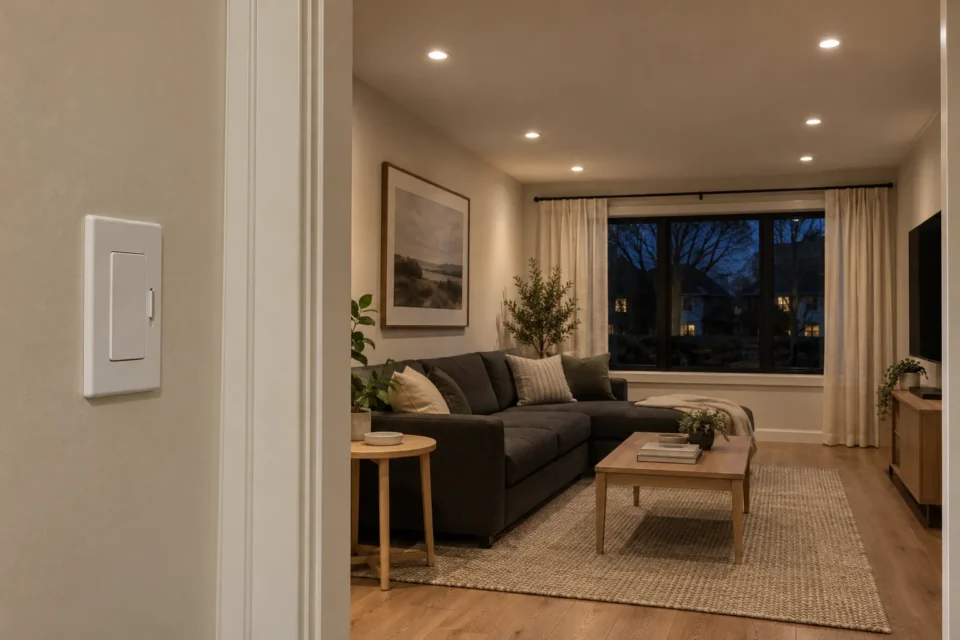
LED Dimmer Problems
Lights that switch off too early, barely respond to a slider or start unpredictably need a clear account of the installed system. Understand the…
Explore topic
Soffit Lights Not Working
A dark eave run or a soffit fitting that fails after changing weather needs assessment in its installed setting. Learn how to describe the…
Explore topic
Mismatched Light Colour
One different replacement or a visibly uneven row of pot lights can disrupt an otherwise useful room. Learn how to describe the existing mismatch,…
Explore topic
Old Recessed Lighting
Older pot lights may contain replaceable lamps, retained housings or later LED retrofit modules. Learn what visible details and existing records can tell an…
Explore topic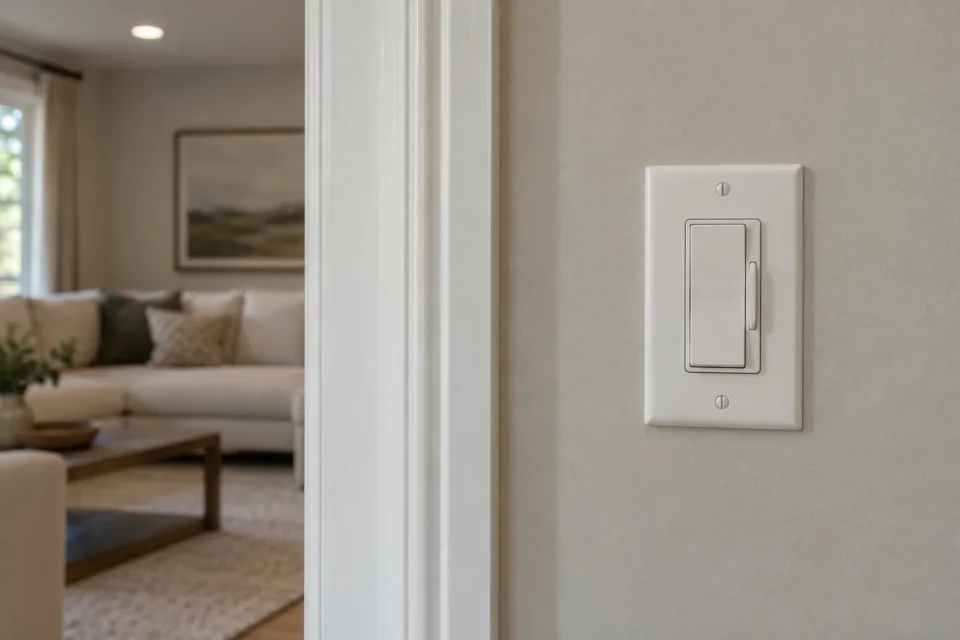
Flicker and buzzing: note the pattern
Flickering Pot Lights concerns a visible change in light output. Note whether one fitting or several are affected, whether the behaviour happens at all dimmer settings and whether it is occasional or repeatable. Record any recent change to a fixture or control. Do not assume that every flicker is a compatibility issue; the observations help an appropriate assessment consider the possible categories.
Buzzing Lights or Dimmers concerns audible behaviour at the fixture or control. Note where the sound seems to come from without touching or opening the equipment, and whether it changes with the setting. Mention associated heat, smell or damage promptly rather than treating the sound only as an annoyance. Lighting Repairs is the service route for an existing symptom; Smart Lighting & Dimmers relates to a planned control change after the scope is understood.
One failed light is different from a failed group
Pot Lights Not Working separates a single fitting that is dark from a whole lighting group that no longer operates. Tell the person assessing the request which pattern you see, when it began and whether any protective device has operated. Repeated operation of a breaker or other protective device is information to report, not an invitation to keep resetting it or bypass protection.
Soffit Lights Not Working adds the exterior context. Mention whether a single roofline section or the whole zone is affected and whether weather or a recent exterior change appears related. Stay on the ground when taking photographs and do not disturb wet or damaged equipment. Product suitability and the existing installation need assessment. Exterior & Soffit Pot Lights can address a planned exterior installation, while an existing failure belongs in the repair discussion first.
Dark rooms and glare may be layout questions
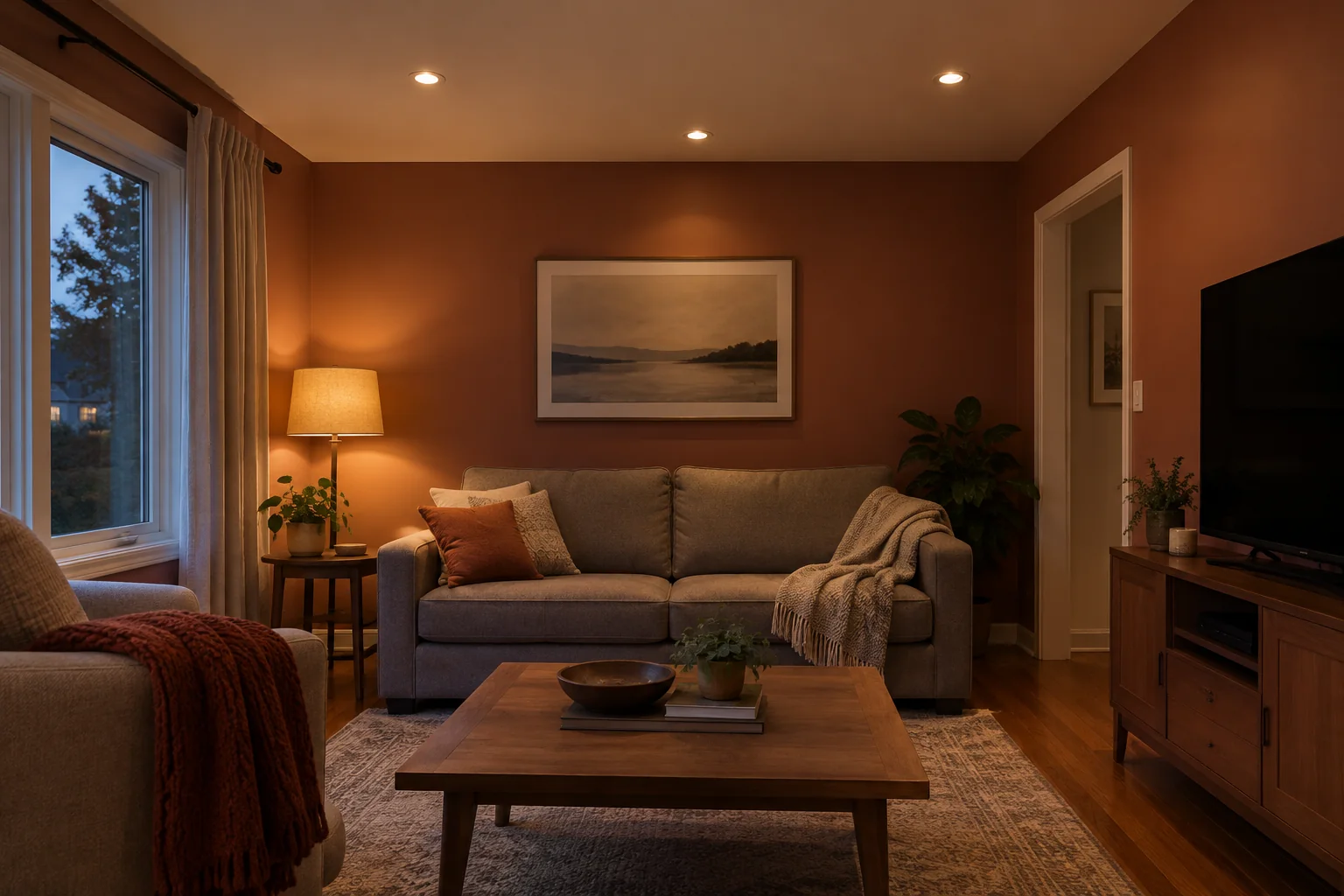
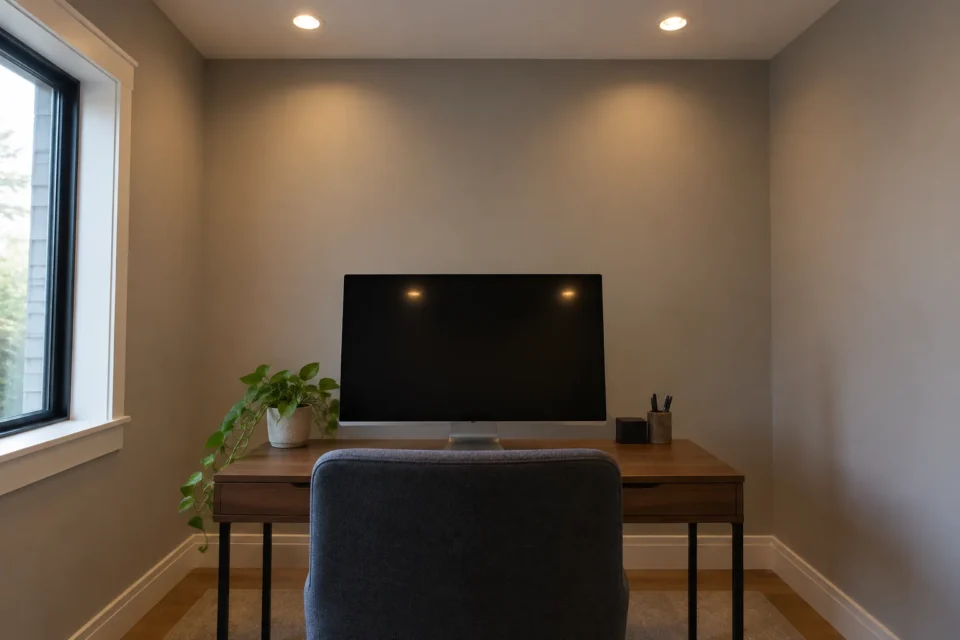
Room Still Looks Dark asks where useful light is missing. Is the work surface dark, the wall behind the sofa dim or the route through the room poorly defined? Describe the time of day and which other sources are switched on. Darker finishes and the direction of the light can affect the result even when the middle of the floor appears bright.
Pot Light Glare concerns bright apertures, reflections and uncomfortable sightlines. Note where you sit or stand when it bothers you, including the television or monitor position. More ceiling output is not automatically the solution to either concern. Pot Light Layout & Design and Lighting by Room help connect light distribution to the room use; Lighting Guides provides the planning questions about quantity, placement and layers.
Dimming symptoms need the actual combination
LED Dimmer Problems covers behaviour such as dropout at the low end, a large section of the control that produces little change, or erratic operation across the range. These observations are more specific than saying the dimmer does not work. If you have product documents from a previous installation, include the LED, driver and control model information without opening the equipment.
Manufacturer compatibility information matters because the selected combination affects dimming behaviour. However, the presence of a dimmer does not establish the cause of every electrical symptom. LED Dimmer Compatibility is the educational route for choosing a planned combination; the existing behaviour still needs assessment. When reporting the issue, say whether the lights operate normally at a brighter setting and whether the same symptom appears in another controlled group. Leave electrical investigation and any changes to the appropriate professional.
Separate a colour mismatch from a new colour choice
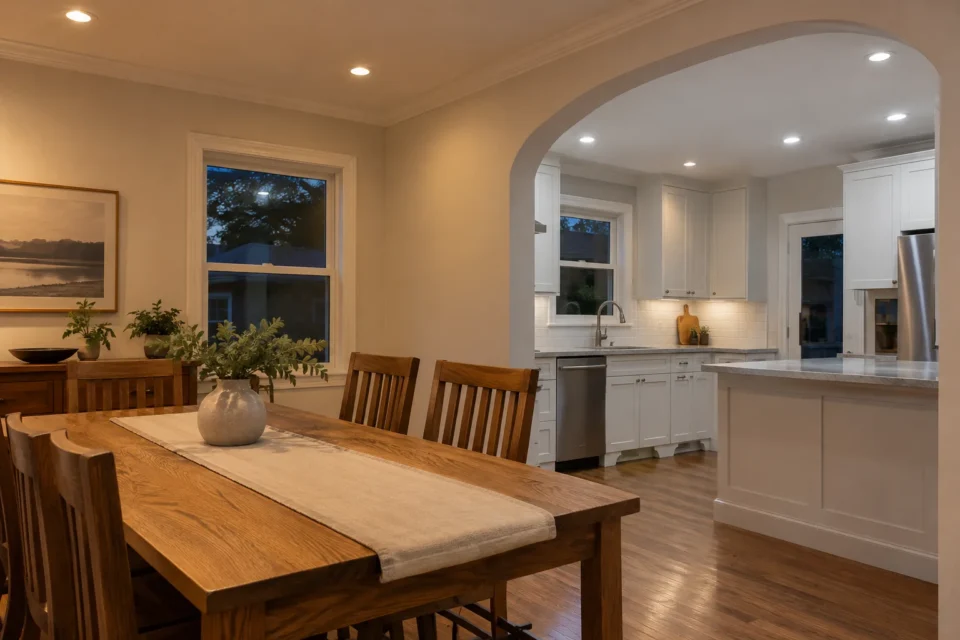
Mismatched Light Colour concerns an existing room or connected space where the lights no longer look consistent. Note which fittings appear warmer or cooler and whether a difference began after replacement. Existing products may differ in nominal colour, settings or other characteristics; a photograph alone may exaggerate or hide the appearance. Keep any product records that are already available.
3000K vs 4000K Pot Lights instead addresses a planned choice about white-light appearance. For an existing mismatch, establish what is currently fitted before buying more lights based only on their visible diameter. LED Pot Light Upgrades can address a broader matching or replacement scope, while Interior Pot Lights considers coordination across connected indoor spaces. Include the surrounding fixtures and room finishes in the conversation so a change in one area does not create another mismatch nearby.
Identify older recessed lighting before changing it
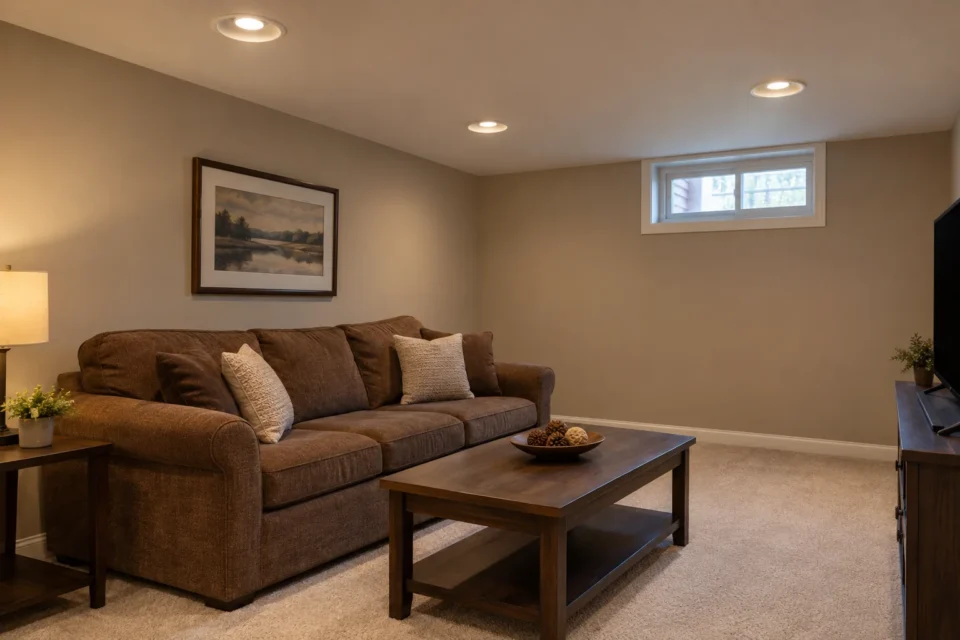
Old Recessed Lighting begins with the system already in the ceiling. The visible trim does not reveal every housing, lamp, driver, depth or access condition. A replacement that looks similar in a listing may involve a different system. Gather existing invoices, packaging or product information if you have them, together with photographs taken safely from the room.
Consider the symptom and the desired result separately. A functioning older installation may be a planning request about appearance, distribution or control, while a failure or damaged fitting calls for repair assessment. Slim LED vs Traditional Recessed Lighting explains format choices, and LED Pot Light Upgrades is the service route for reviewing a replacement scope. Do not remove fixtures, alter insulation or assume the old opening is suitable for a new product before the actual ceiling and installation are assessed.
Prepare information that helps the assessment
Write down the room or exterior location, the symptom, the number of affected lights and the time or setting when it occurs. Add recent changes, known product information and a wide photograph showing the area. A short safe observation can be more useful than a guessed diagnosis. Keep a record of protective-device operation and any associated smell, damage or unusual behaviour to report promptly.
For an existing issue, Lighting Repairs is the repair route. If the real need is a planned new installation, compare Pot Lights or Lighting Services instead. Request an Estimate lets you describe the property and the concern so the next step can be discussed. A website form is not an emergency response service; use the appropriate urgent assistance if there is an immediate risk.
Questions before you begin
Can a photograph establish why my lights flicker?
No. It may show where the fittings and controls are, but it cannot establish hidden electrical conditions or the cause. Describe the timing, affected group, settings and recent changes for an assessment. Use Lighting Repairs to discuss assessment.
Should I open a switch or fitting to find a model number?
No. Use product documents, packaging or records you already have. Do not open electrical equipment or remove fixtures to collect information for an inquiry.
Does a dimmer explain every flicker or buzzing sound?
No. Compatibility is one possible category to consider with the actual equipment, but similar symptoms can involve other conditions. The existing installation needs appropriate assessment. See LED dimmer compatibility for product-selection context.
What if the room is dark but all the lights operate?
Describe which surfaces or activities lack useful light. Distribution, finishes, sightlines and other layers may be part of the planning question, rather than a failed fitting alone. Review dark rooms and lighting layout and layout and design.
What should I do about smoke, sparking or a burning smell?
Stop using the affected equipment and seek urgent help appropriate to the situation. Do not use the website inquiry form as an emergency response service or investigate inside electrical equipment yourself.