
Unlit fixtures and failed groups
Pot Lights Not Working: One Fixture, One Group or a Wider Loss
An unlit pot light and a failed lighting group call for different descriptions, but neither pattern proves the cause. Record the affected locations, recent changes and any protective-device behaviour already observed.
On this page
When pot lights stop working, begin with the extent of the loss. Is one fitting unlit while neighbouring fittings are on, is a familiar group unavailable, or are several rooms affected? Describe the condition you encountered during normal use. The pattern helps define an assessment request, but it cannot determine whether the issue is a light source, control, connection, supply or another part of the installation.
Lighting repair assessment is the first route for an unexpected failure in an existing Burlington room. Choosing a new fitting from appearance alone can miss the underlying question. A working neighbour does not prove that the unlit fitting only needs replacement, and an entire dark group does not establish that every fixture has failed.
Describe the scope before naming a cause
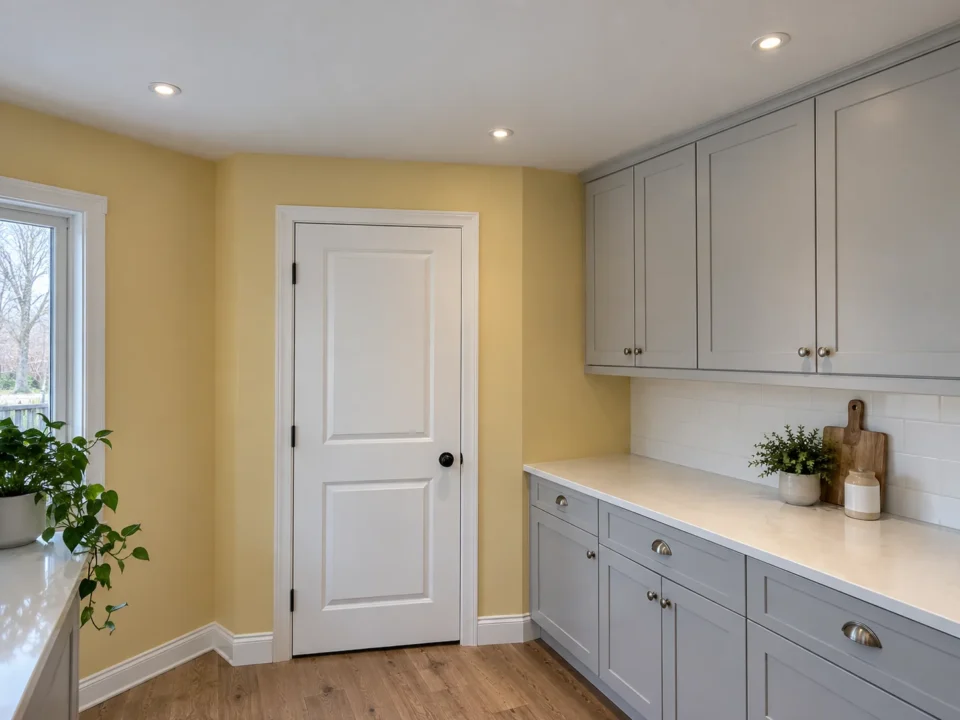
For a single unlit fitting, identify its position against fixed room features. “The fitting nearest the pantry door” is useful without knowing a model number. Say whether other lights normally operated by the same control were lit at the time. If you cannot confidently identify the controlled group, explain what you saw rather than guessing how the concealed installation is connected.
For several affected fittings, describe whether they belong to one usual lighting group or more than one area. A kitchen might contain ceiling lights, cabinet lights and a pendant that are normally operated separately. Reporting which of these were unavailable is more informative than saying only that the kitchen was dark. Keep a distinction between the room as a whole and the particular lighting affected.
For a wider loss, mention other rooms or equipment already known to be affected. If an outage is reported by your electricity utility, that is useful context, but it does not approve the condition of a failed fitting after restoration. Do not operate equipment repeatedly to build a complete inventory. A partial, accurate observation is enough to communicate the initial scope.
Possible causes differ between installations
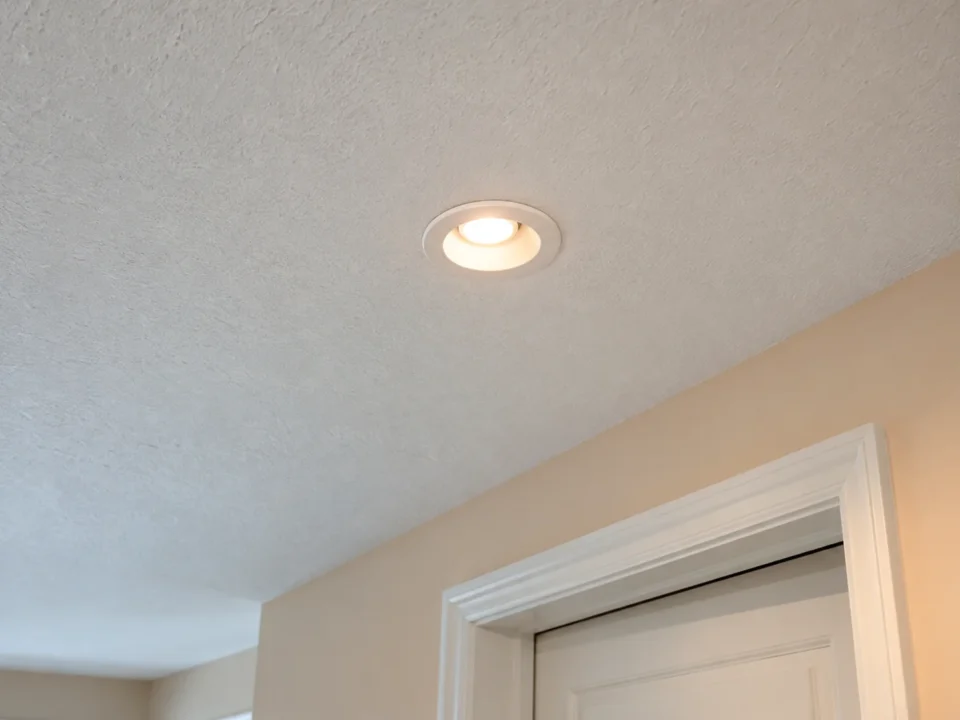
A light source or associated component may need assessment when one fitting remains unlit. Some recessed systems use replaceable lamps; others contain integrated LED components. Their similar round appearance does not reveal how they are serviced. The assessor needs to identify the existing system and suitable parts before recommending repair, partial replacement or a different approach.
A shared control or supply question can be relevant when a usual group is unavailable. That category includes the actual arrangement of controls and the electrical installation serving the lights. It is not a conclusion that the switch is faulty. A professional should establish what is affected and what work is needed before the visitor commits to replacing several fixtures.
Recent product changes can also matter. If a fitting, dimmer or control arrangement was altered shortly before the loss, provide the history and existing documentation. The sequence gives the assessor a starting point without proving the change caused the failure. A similar-looking replacement does not establish interchangeability with the remaining system.
Keep an intermittent loss distinct from a permanent one
A fitting that has remained dark since the problem began differs from one that was intermittently available during normal use. Describe what you remember: unavailable on arrival, briefly lit earlier or becoming unlit while the room was occupied. Avoid leaving the lights running to see whether the behaviour repeats. Timing history is useful without a homeowner-directed test.
If an earlier visible shimmer or audible disturbance preceded the failure, include it. The unlit condition may be the current symptom, but the sequence gives a fuller account. Do not assume that the lack of light has removed a concern simply because the sound or flicker is no longer noticeable. An unavailable fitting still needs an assessed next step.
If the lights appeared to return after a power event or earlier intervention, report that fact without repeating the intervention. A temporary return does not establish that the installation has been repaired. Mention how long normal use continued if you know, and keep any uncertainty explicit. The assessor can decide what that history means for the scope.
Protective-device behaviour deserves attention
If a protective device has already operated, tell the assessor. ESA’s Homeowner Electrical Safety Handbook identifies frequently tripping or cutting-out circuits as concerns that require a Licensed Electrical Contractor. This page does not provide breaker-reset, bypass or electrical-testing steps. Do not repeatedly restore affected lighting to see whether it stays on.
Describe only what is already known about that behaviour: whether it occurred once or was recurring, when it happened and whether other parts of the home were affected. Do not open a panel or remove covers to obtain a more detailed account. If you do not know which device was involved, that uncertainty belongs in the request.
When the problem involves a rented home, condominium or shared building area, notify the responsible property contact. Electrical access and work may require coordination beyond the room occupant. State the affected space and known behaviour clearly so the assessment can be arranged through the appropriate party rather than through improvised alterations.
Visible damage, water or burning changes the priority
Stop using affected lighting when there is burning smell, smoke, sparking, visible scorching or damaged equipment. Keep away and seek prompt qualified help. For smoke, fire or immediate danger, leave the area and contact emergency services. Do not touch an unlit fitting or control to decide whether it is still hot or energized.
Water near electrical equipment also calls for staying clear and obtaining appropriate help. Do not enter a wet affected area to photograph a ceiling, reach a switch or check the light. A leak history can be supplied verbally. The lack of visible illumination does not establish that electrical equipment is safe to approach.
A dark room can make ordinary circulation difficult. Avoid relying on an assessment visit to address an immediate access hazard; keep occupants away from unsafe routes until suitable safe illumination is available. Do not improvise permanent electrical connections or move suspect lighting equipment. The practical concern is both the failed system and the safe use of the space around it.
Prepare history and photographs from safe positions
Useful information includes the room, affected positions, approximate first occurrence, recent work and whether one group or several areas are involved. Existing receipts or instruction sheets may identify the system. If the installation predates your ownership, say so instead of estimating its age from the trim style. A dated renovation record is more useful than an unsupported age claim.
Take a wide room image safely from the floor, where access is normal and dry. If appropriate, include a view of the intact control and a photograph showing the affected fitting’s position. Do not remove a lamp, trim, plate, driver or enclosure to supply information. A professional can identify concealed equipment during the assessment.
Be clear about what the photographs can establish. They can show access constraints, ceiling materials, room layout and visible condition. They cannot prove a fault, confirm a circuit is de-energized or establish the suitability of a replacement. An image of a dark aperture may simply show a light that was not operating when photographed.
Discuss repair and upgrade as separate options
Ask what the assessment identifies and what the proposed work includes. A limited component issue, a wider installation concern and an optional improvement to matching appearance are different scopes. Ask whether retained fittings are included, how the controls are considered and whether access or ceiling finishing is expected. Avoid treating the number of dark fittings as the final number of replacements.
If the existing system is a candidate for replacement, LED pot light upgrade planning covers a coordinated change rather than symptom diagnosis. Exterior-zone failure has different location context; use soffit lights not working for that description. Browse Lighting Problems for related symptoms and send the affected locations and history to define the assessment request.
Frequently asked questions
If only one pot light is out, should I buy a replacement?
Arrange assessment before choosing a product. The existing system may have different service arrangements, and the visible pattern does not establish the responsible component.
What if the whole group stopped working?
Describe the usual controlled group, the affected room and any recent work or protective-device behaviour already known. Do not repeatedly restore or operate the group to investigate.
Can a photograph prove that the fixture has failed?
No. A photograph shows the room and visible fitting condition. It cannot establish the electrical cause or confirm that equipment is safe to approach.
When is an upgrade worth discussing?
Discuss an upgrade after the existing system and assessment findings are understood. The LED upgrade route separates replacement planning from diagnosing the loss.