
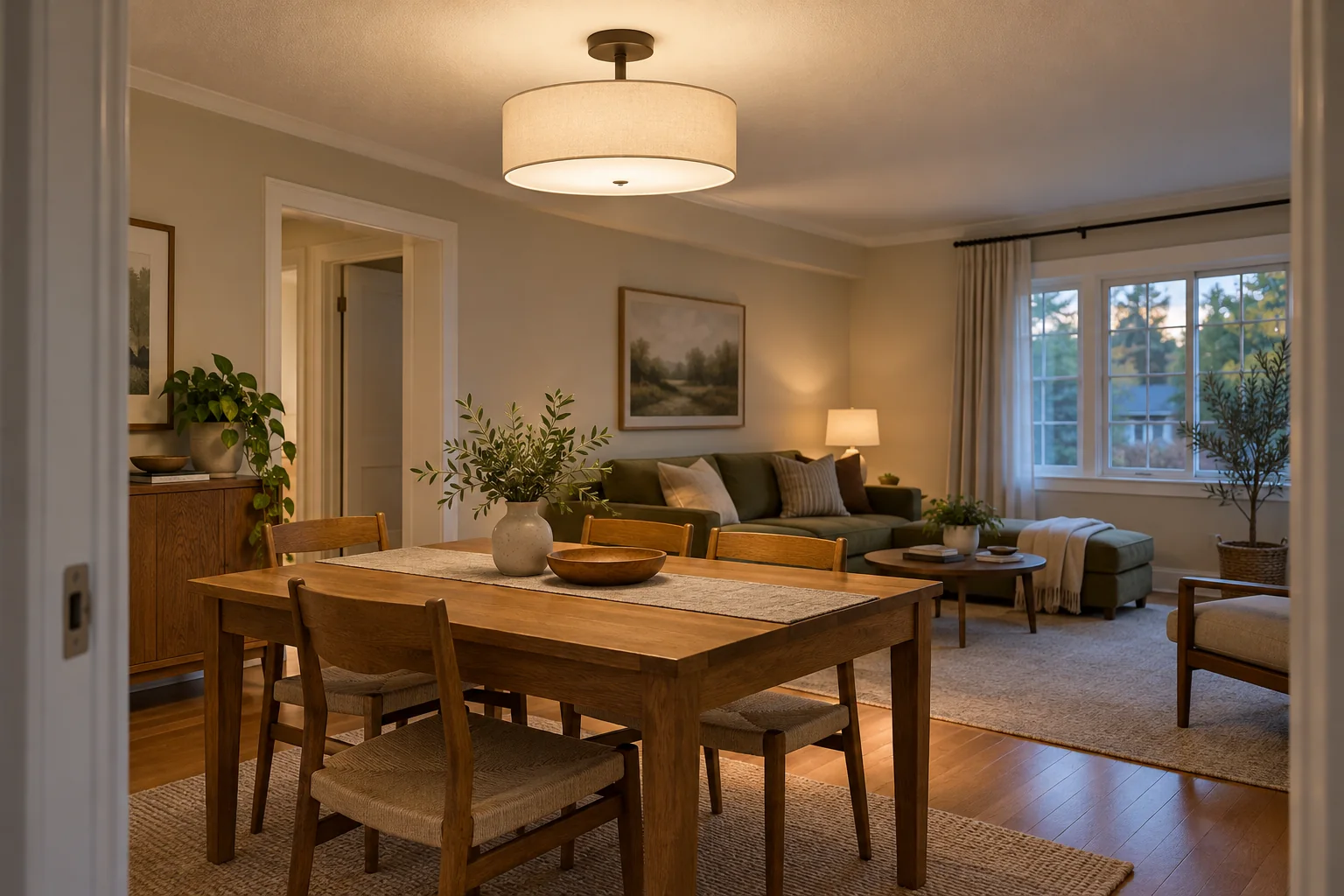
Make the fitting suit the room
Assess an ordinary fixture replacement
Light fixture installation covers fitting or replacing ordinary ceiling and wall lights, with attention to the product, mounting location, electrical connection and intended use. A new fixture can improve a room’s appearance and the light it provides, but the existing ceiling or wall location must be suitable for the fitting. A canopy that looks similar to the old one does not establish that everything behind it can simply stay.
This service is a useful starting point for an entry light, bedroom ceiling fitting, dining-room fixture, hallway light or other everyday replacement. Describe where the fixture will go, what is currently installed and whether you want to keep the same location. If the project involves moving a light, adding a switch or changing several rooms, explain those changes together so the scope can be assessed coherently.
The fixtures hub introduces the related installation options. Larger chandeliers, coordinated pendants, under-cabinet systems and accent lighting have more specific planning considerations. An ordinary fixture request can be directed to the appropriate specialist scope when its size, application or access requires that additional attention.
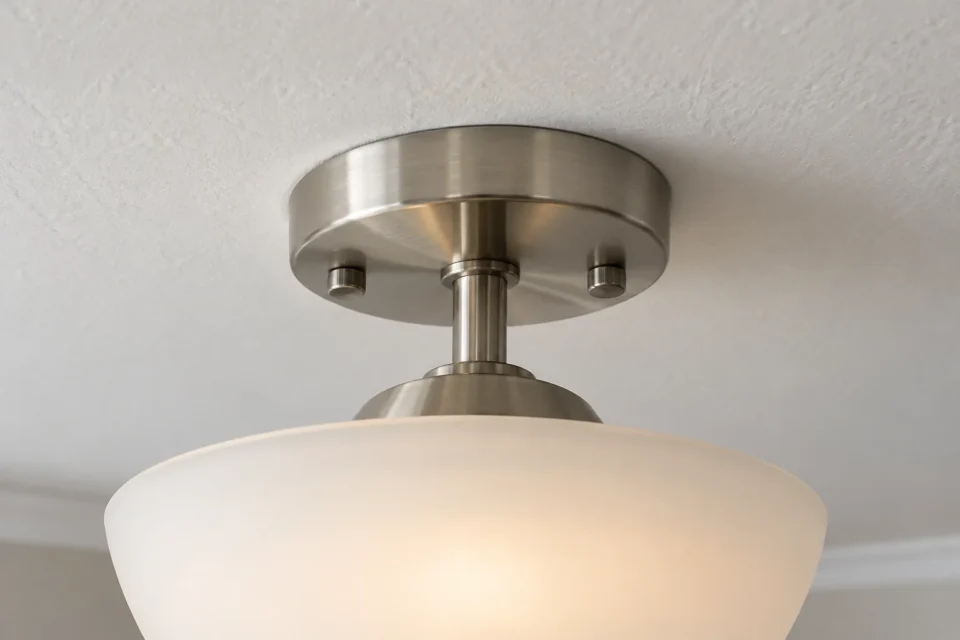
Begin with the everyday job the light must do
Consider why you are changing the fixture. An entrance may need a more useful spread of light, a bedroom may need a quieter evening setting, or a hallway may need a fitting that sits closer to the ceiling. A dining-room replacement can change the visual balance above a table without changing the electrical location. Naming the purpose helps keep the selection grounded in how the room is used.
Look at the fitting from the room entrance and from the positions where people sit or stand. A visible bare source may feel uncomfortable from a sofa even when its overall brightness seems appropriate. A shade can soften the light but also change how much reaches the ceiling and surrounding walls. Product photographs often show the fixture without the room conditions that determine whether it will feel comfortable at home.
Furniture scale matters as much as floor area. A fixture that looks small against an empty room can look quite different once a table or bed is in place. Share the approximate room dimensions and a photo with the furniture included. If a new piece of furniture is still to arrive, give its dimensions and intended position. These details are useful before the fixture is purchased or the installation location is confirmed.
Choose flush or semi-flush fittings
A flush-mount fitting stays close to the ceiling and can be useful where headroom is limited. A semi-flush fitting leaves a short space between the fixture and ceiling, which changes both its appearance and how light reaches the upper part of the room. Neither type is automatically the better choice. The room height, circulation route, doors and fixture dimensions all need to be considered together.
Pay attention to where someone will pass beneath the light and to door swings or tall cupboard doors near it. A photograph can hide a projection that becomes obvious once the fitting is installed. The complete product dimensions are more helpful than the name of the style. Include the canopy dimensions as well if an old ceiling mark or decorative mounting plate may need to be covered.
Replacing a hanging fixture with a close-to-ceiling design can change the room’s lighting pattern, not only its clearance. A broad diffuser may provide an even general layer, while a shaded fitting can direct more light toward particular surfaces. Consider whether existing wall lights, lamps or recessed lights will remain. A useful replacement complements those layers rather than assuming the ceiling fitting has to supply every kind of light.
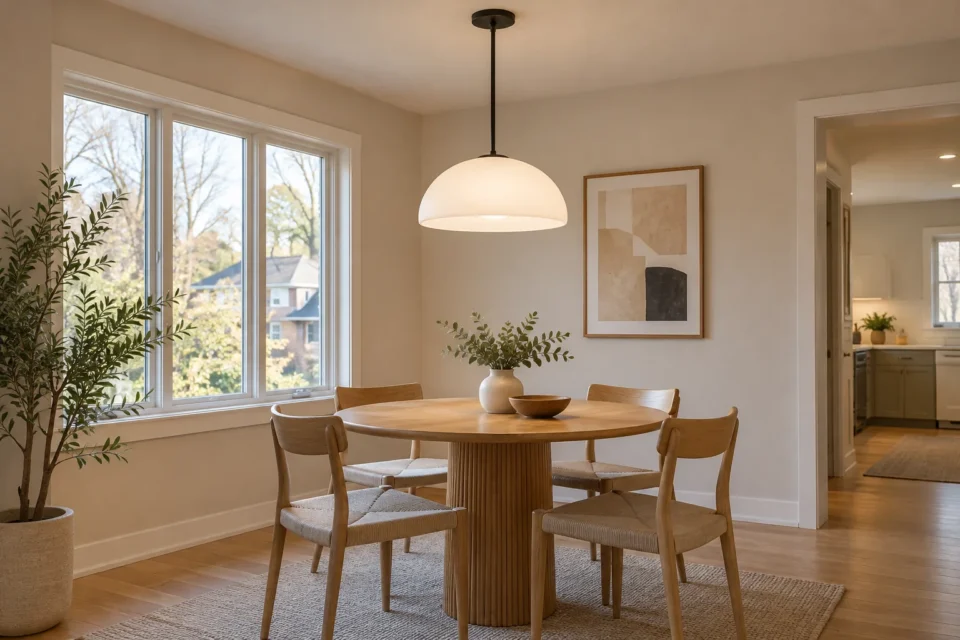
The mounting point is part of the installation
The visible fixture is only part of the assembly. The mounting location, support and existing connection conditions need to be appropriate for the chosen product. A heavier or differently shaped replacement can require more than attaching a new canopy. Provide the manufacturer’s model information and stated weight where available, especially if the fitting is substantially different from the one being removed.
An existing light does not prove that the location is suitable for any new fixture. Earlier renovations, ceiling finishes and hidden mounting arrangements can affect the work. The installation assessment should establish the relevant conditions before the fitting is secured. Homeowners do not need to uncover the box or disconnect a fixture to prepare a request; clear room photos and product details are enough to start the conversation.
For a fixture that needs special support, assembly or access, chandelier installation is the more specific route. The same applies to a fitting over a stairwell or in a tall foyer, where reaching the position is a material part of the project. Explain the location accurately, including nearby stairs, railings and furniture, rather than describing every decorative fixture as a straightforward swap.
Separate replacement, relocation and new installation
A replacement at an existing suitable location differs from moving a fitting to the centre of a table or adding a light where none exists. Relocation or a new position can involve routing, switching and access questions that a simple replacement does not. State which result you want at the outset. It is easy for an inquiry photo to suggest a replacement when the real goal includes changing the location.
Where a table has moved, consider whether the fixture should follow the furniture or continue serving the room generally. That decision may affect the type of fitting as well as its position. Avoid buying solely to conceal an old location before the new arrangement has been assessed. Ceiling repair and painting may be separate work, and any visible finish changes should be discussed as part of the project planning.
A wall-mounted fixture has its own position and use considerations. Height, nearby mirrors, door trim and furniture can change how the fitting looks and what it illuminates. For coordinated mirror lighting or several decorative wall positions, wall sconce and vanity lighting provides a more focused service. Here, an ordinary wall-light replacement remains within a defined fixture installation request.

Choose a product that suits the location and controls
Applicable electrical products need recognized approval for use in Ontario. Check the complete fitting and its product information; a component mark, efficiency label or weather rating alone does not settle the approval question. Approved LED Lighting Products in Ontario explains what to bring into the selection discussion.
Before purchasing, check that the product information describes its intended location and use. A light selected for a dry bedroom is not automatically suitable for a location exposed to moisture or outdoor conditions. A bathroom fitting needs to be considered in relation to its actual position and exposure. Bring the product details into the discussion rather than relying on how similar it looks to another fixture.
Some fittings use replaceable lamps, while others have integrated LED components. That affects lamp selection, colour appearance and future servicing. For a replaceable-lamp fitting, the manufacturer’s instructions and limits govern the compatible lamps. For an integrated fitting, ask about the product’s service information and whether the light source or related components are replaceable. The installation service does not make unsupported promises about a particular product’s lifetime.
If dimming is important, identify that requirement early. The fixture or lamp and control need to be compatible, and the desired low setting should be part of the conversation. An old dimmer that worked with a previous fitting may not suit the replacement. Describe any existing buzzing, flicker or inconsistent operation so it can be assessed rather than assumed to disappear with a decorative change.
Plan the visit around access and the room’s condition
Useful access means more than being able to see the fitting. Ceiling height, stair positions, large tables, built-in cabinetry and delicate furnishings can affect how the work is approached. Share a wider photograph that includes the floor and surrounding room. A close-up of the new fixture alone cannot show whether a location is over a stair opening or difficult to reach from a normal floor area.
Keep any product instructions, supplied mounting parts and packaging available for the installation assessment. Explain if the fixture is second-hand, partly assembled or missing items. An incomplete fitting may need further review before it can be installed. If you have ordered a fixture but it has not arrived, confirm the delivery status and model information rather than scheduling around an assumed arrival date.
For an occupied room, discuss access around furniture and what needs to be protected or moved. Do not remove an existing fitting or open electrical connections to prepare for the visit. The agreed scope should also explain what happens to the old fixture and whether ceiling or wall finish repairs are included. Clear arrangements make the expected result easier to review before work begins.
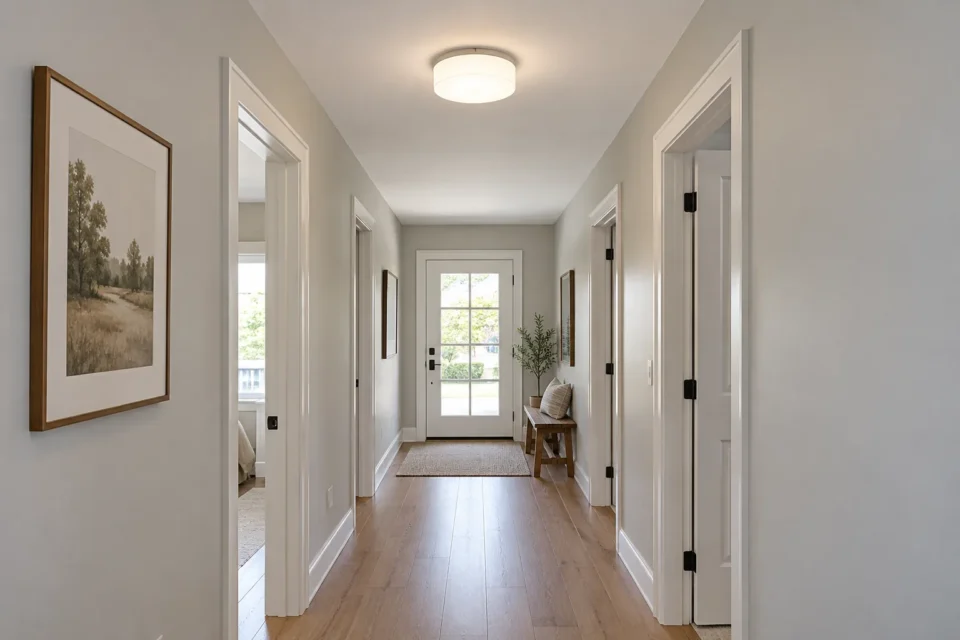
What affects a fixture installation estimate?
The fixture type, size, assembly requirements, mounting condition and access all contribute to the scope. A compact fitting at an existing suitable position can differ substantially from a heavier decorative fixture over a stairwell. Changing controls, relocating the connection or installing several fixtures in different rooms adds further considerations. The number of fixtures alone does not describe the work accurately.
A fixture request should include:
- Product and location: A useful request includes the product model or listing, approximate dimensions, weight information where available and photographs of the current location.
- Position and retained controls: Say whether the existing fitting is being replaced in the same position and whether the current switch or dimmer will stay.
- Known symptoms: Include any known symptoms such as a damaged fitting, intermittent operation or an unusual smell.
A potential fault should be identified as a concern, not treated only as a style update. If there is a burning smell, smoke or sparking, stop using the affected equipment and seek urgent help appropriate to the situation. Do not use an estimate request as an emergency response.
Ask for the written scope to distinguish fixture fitting from any additional electrical changes, access arrangements and finish repairs. Applicable Ontario electrical notification and inspection responsibilities should be clarified for the actual work. An ordinary replacement and a new wired location may be assessed differently; the responsible professional should determine the requirements instead of a homeowner assuming all lighting changes have the same process. Review ESA requirements for residential lighting work to prepare the notification questions.
Pricing also needs to reflect the selected products and confirmed conditions. This page does not give a universal cost per fixture because it would hide those differences. If you are comparing options before purchase, explain which fitting types you are considering. That lets the discussion address practical constraints that may influence the choice, as well as the installation itself.
Use the specialist service when the project has a clear focus
A decorative ceiling light is not always a chandelier project, and a single ordinary fitting is not the same as a coordinated island-lighting layout. The application matters. For a row of lights above an island, pendant and island lighting focuses on alignment, relationship to the surface and control coordination. For a large suspended fitting, the chandelier service gives support and access the attention they require.
Lighting beneath cabinetry belongs to under-cabinet lighting, where the counter, mounting system and concealed components guide the design. Decorative coves, shelves and architectural accents belong to LED strip and accent lighting. These projects can be discussed alongside an ordinary fixture replacement, but each needs its own clear scope rather than being reduced to a count of lights.
If the main goal is recessed general lighting, pot light installation is the relevant starting point. A room can combine those layers with an ordinary ceiling or wall fixture. Explaining the full intended arrangement helps avoid changing one fitting in isolation and then discovering it conflicts with another planned lighting layer or renovation decision.
Prepare your fixture installation inquiry
Tell us what you want to fit, where it belongs and whether the location is staying the same. Add a wide room photo and the product details, plus any access or control questions. If the fixture has not been chosen, describe its intended purpose and the room conditions. You can ask about a suitable direction before committing to a product that creates avoidable installation constraints.
Use the project inquiry to share the request. The next conversation can establish the ordinary fixture scope, identify any specialist requirements and discuss the relevant conditions. A clear proposal should make it understandable what is included, what needs further assessment and which related work requires separate arrangements.
Light Fixture Installation Gallery
Light fixture installation questions
Can a new fixture use the existing ceiling location?
That depends on the mounting, support, electrical conditions and selected product. A fitting that looks similar to the old one may still have different requirements. Share the product model and location photos so the replacement can be assessed.
Should I buy the fixture before requesting installation?
You can inquire before purchasing. The product dimensions, weight, intended location and control requirements can affect suitability. If you already own it, provide the model information and note whether all supplied parts and instructions are available. See electrical product approval questions.
Is moving a ceiling light the same as replacing it?
Moving a fitting changes the scope. It can introduce wiring routes, access and finish-repair questions that a replacement at a suitable existing location does not. State the proposed new position in the request.
Does an existing dimmer work with a new LED fixture?
Compatibility depends on the specific fixture or lamps and control. Identify the existing dimmer and new product where possible, and mention any flicker or buzzing. Do not assume the previous control will provide a suitable dimming range. Review LED dimmer compatibility.
Which service covers a heavy or high chandelier?
Use chandelier installation for that more specific request. Product weight, mounting support, assembly and access are important parts of the assessment, particularly over stairs or in a tall foyer. Use Chandelier Installation for that focused scope.
What should I include in a fixture installation inquiry?
Send the model or product listing, dimensions and available weight information, a wide location photo and whether the position or controls are changing. Mention access constraints and any existing fault symptoms through the project inquiry.