
Existing white-tone mismatch
Mismatched Light Colour in Existing Pot Lights
One different replacement or a visibly uneven row of pot lights can disrupt an otherwise useful room.
On this page
Mismatched light colour means an existing group of lights looks uneven: one pot light appears cooler than its neighbours, a replacement creates a different white tone or connected rooms no longer feel visually consistent. The useful starting point is the pattern you see and the history of the installed products. A photograph alone cannot identify the exact colour temperature or establish why the appearance differs.
This page addresses an existing mismatch in a Burlington home. If you are choosing a new lighting appearance, the warm-versus-neutral pot-light guide covers that separate decision. Here, the aim is to determine what needs matching, what information is available and when the existing arrangement deserves professional review.
Say what looks different and where
Describe the visible difference in ordinary terms: warmer, cooler, pinkish, greenish, brighter or less clear. Distinguish the colour of light from the finish of the trim. Two white ceiling trims can surround light sources with different appearances, while a discoloured trim may look different even when the light is similar. An assessor needs to know which part of the comparison concerns you.
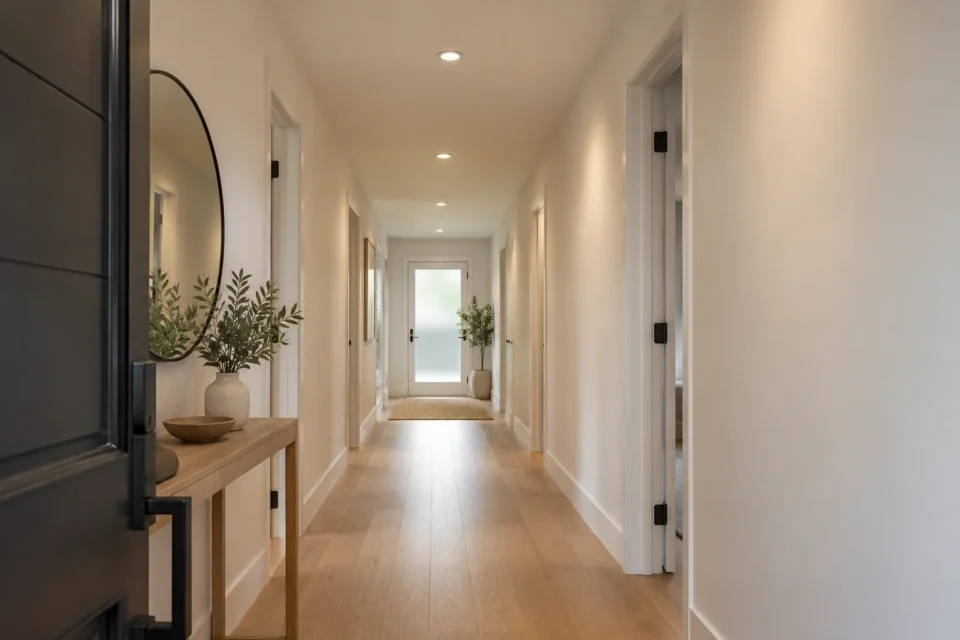
Identify whether the mismatch is one fitting within a row, a whole zone beside another zone or a contrast between different lighting layers. Pot lights, pendants and cabinet lights can be intentionally different, but a single visibly different fitting in a repeated ceiling arrangement may be distracting. Say whether the contrast is acceptable in separate rooms yet objectionable along one shared sightline.
Include when the difference became noticeable. A new replacement that stands out immediately is different from an older group that has gradually become uneven. If the appearance was always inconsistent, that history is useful too. None of these observations proves a defective LED; they help frame what the assessment needs to compare.
Use replacement history before guessing a colour
Look for information already available in receipts, product boxes, earlier quotes or manuals. The original model, replacement model, stated white-light setting and any known installation dates can help. A carton that says “warm white” is less specific than an exact model and its product information. Avoid assuming two products match because their boxes use the same descriptive name.
If one fitting was replaced after a failure, state which location changed and whether the new product was supplied as an equivalent or a different model. A manufacturer may have revised a product or an older model may no longer be available. That possibility should be verified, rather than taken as a reason to replace every light before reviewing the existing arrangement.
Do not remove a trim, lower a light or open a driver box to search for a setting or model number. Some products have selectable white-light settings, but their location and intended access vary. Documentation can identify whether that feature exists. A professional can establish the actual installed information and whether a permitted adjustment is part of the correction.
Possible explanations for an uneven white tone
The group may contain different products, different stated settings or a combination of older lamps and integrated LED fittings. A selectable product may have been supplied or installed with a different setting. A product designed to change tone as it dims may also differ from a fixed-white product. These are possibilities to check against the actual models, not conclusions from looking upward.
The U.S. Department of Energy explains that the same nominal correlated colour temperature does not guarantee identical-looking light. White-tone consistency and colour rendering are different characteristics, and a light source’s colour can also change over time. That is why a matching number on a package is useful information but not a complete matching specification.
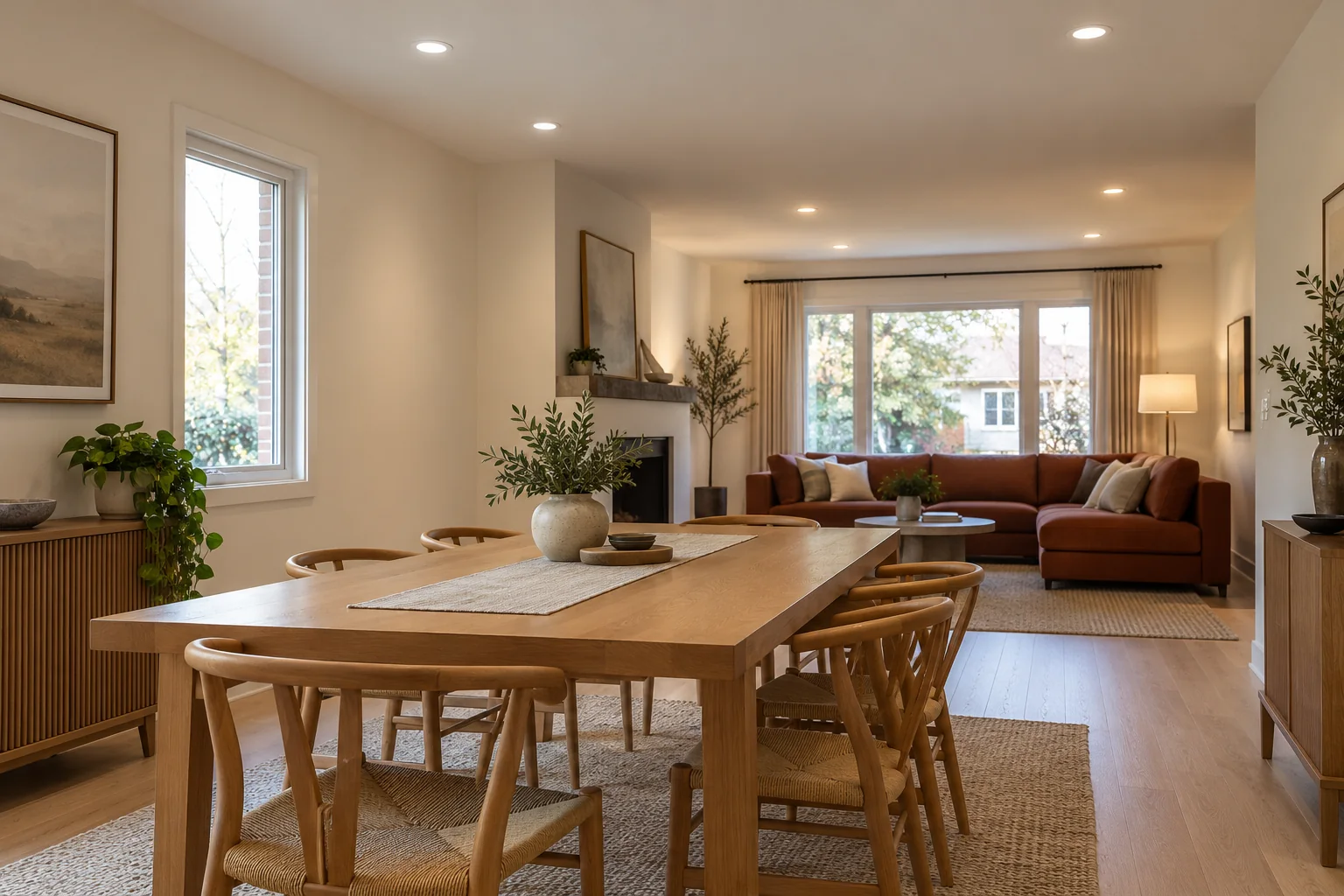
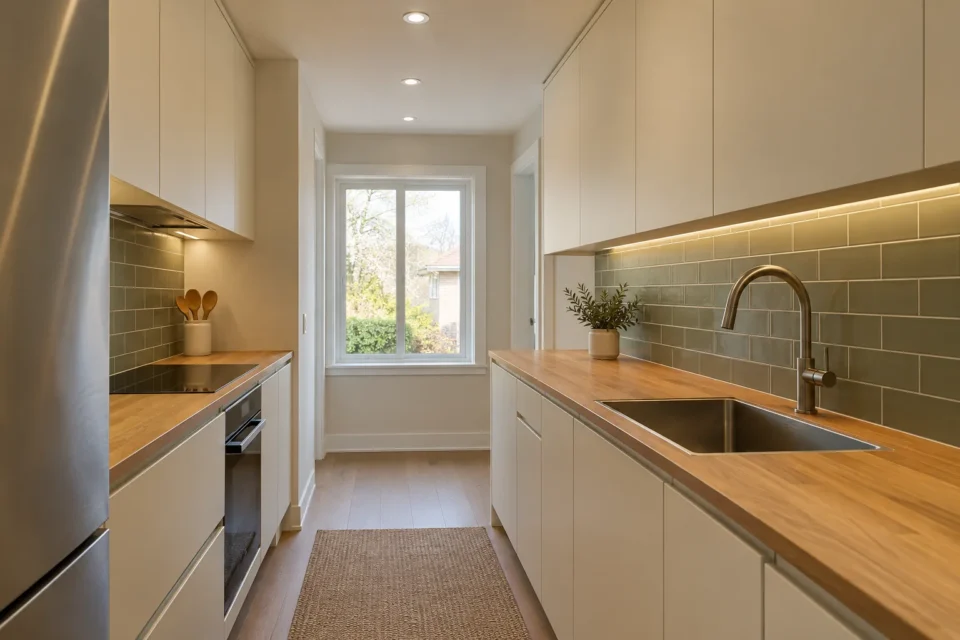
Room surfaces and other light sources also affect the comparison. A pale wall under a downlight is not the same viewing condition as a timber cabinet beside a pendant. Describe the repeated location or shared surface where the unevenness matters most. A matching assessment should consider the installed effect and product information together, rather than relying only on how two bright apertures look in a phone image.
Separate tone, brightness and the look of materials
“This light is whiter” sometimes describes higher apparent brightness rather than a clear change in tone. Likewise, paint or upholstery may look different under two sources whose emitted white looks similar. Explain both the light itself and the surface that concerns you. For example, a wall may look patchy along a hallway even when the ceiling fittings seem alike at first glance.
Do not stare into a bright aperture to make a comparison. Use normal room views and describe what you notice on useful surfaces. It is enough to say that a replacement above one end of a counter creates a visibly different area. This avoids treating a subjective comparison as a measurement or assigning an exact Kelvin value without product evidence.
A photograph can help locate the fittings and show the overall room, but camera white balance and screen display affect appearance. Keep the original image and avoid applying colour filters. The photograph supports a written account; it cannot certify a precise match. A proposed correction should be evaluated in the room and with the intended everyday lighting arrangement.
Notice whether normal dimming changes the comparison
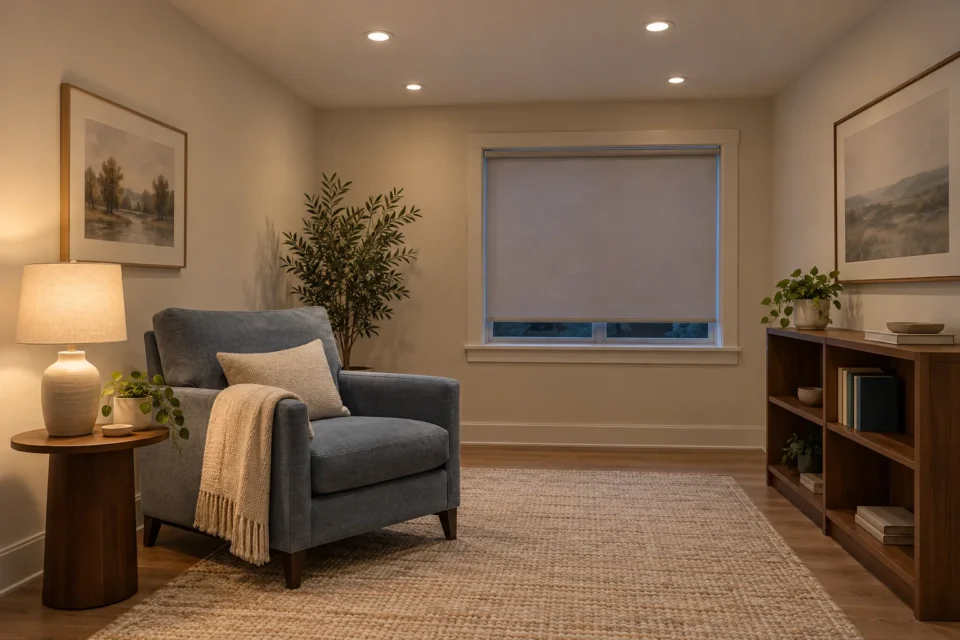
If the difference appears mainly during an evening setting, include that normal-use observation. State whether the lights are on the same control or on separate controls that are normally used together. Different operating levels can make a comparison difficult. You do not need to repeatedly sweep a dimmer, change hidden settings or run a new control experiment to prepare the inquiry.
A product documented as dim-to-warm is intended to change its white-light appearance as output lowers. Mixing it with a fixed-white product can create a contrast at ordinary dimmed settings even when the full-output appearance is similar. Verify the actual product feature before treating the contrast as normal. Not every dimmable LED changes tone in the same way.
When mismatched colour is accompanied by unreliable operation, sudden output changes or other symptoms, describe those separately. The desired aesthetic match should not replace assessment of an unresolved operating issue. A replacement chosen only for its white tone may still need different control compatibility or may not suit the existing installation.
Define the smallest coherent matching scope
Begin with the area that needs visual consistency: a repeated row, the whole room, a connected main-floor sightline or a particular task surface. There is no automatic requirement that every light in the home have the same white tone. A coherent group can matter more than forcing bedrooms, work areas and decorative lamps into one universal appearance.
Ask whether a suitable documented matching replacement is available and how close its installed appearance can reasonably be expected to come. If the original product is unknown or discontinued, the assessment may need to compare a new consistent group with the retained lighting. Explain which existing fittings you would prefer to keep, while leaving the practical matching limits open.
LED Pot Light Upgrades covers an agreed modernization scope when replacement is the appropriate direction. If the issue extends to a new interior lighting arrangement, Interior Pot Lights provides that broader route. Replacing a whole group should follow a defined matching goal and assessment, rather than a guess that every mismatch requires a complete redesign.
Matching still requires a suitable installation
Once a preferred appearance is defined, the replacement must also fit the existing system and location. Opening size, mounting arrangement, product approval, environmental suitability and control compatibility remain relevant. A similar diameter and the same stated white tone do not establish interchangeability. Ask the proposed scope to identify whether it retains the existing housing or changes the installed system.
Clarify whether work includes product identification, checking documented settings, replacing one fitting or renewing a complete repeated group. Also ask how ceiling making-good and disposal of removed equipment are handled if relevant. This avoids receiving a colour-focused estimate that leaves the physical work unclear. Available records may reduce uncertainty, but missing records should be addressed honestly.
If the apparent colour change occurs with burning odour, smoke, visible damage or another warning sign, stop using affected equipment and seek urgent qualified assistance. For fire or immediate danger, contact emergency services. Do not continue using a suspect fitting merely to see whether its colour changes further.
Share a practical comparison for assessment
Provide a wide room view, a description of the unwanted difference, the affected positions and any product records already available. Mention the viewing situation: a hallway seen from its entrance, a kitchen counter during evening use or a row visible from the sofa. Include known replacement dates and normal controls, without trying to diagnose the light source.
The Lighting Problems library separates other existing symptoms. Use the lighting assessment inquiry to explain the group you want to make consistent and which surrounding lighting should be considered. A useful request describes the visible problem and the desired result while allowing the actual matching limits to be established.
Frequently asked questions
Why does a replacement look different with the same Kelvin number?
A nominal colour-temperature value does not guarantee identical appearance. Exact product information and the existing group matter when assessing a match.
Can you identify the exact colour temperature from a photograph?
A photograph can show the location and comparison, but camera processing and display conditions affect colour. It cannot establish an exact Kelvin value or promise a matching replacement.
Do all pot lights in the house need to match?
Define the repeated group or shared sightline that needs consistency. Separate rooms can have different intended appearances. The white-light selection guide covers planning a new preference.
Should I adjust a setting behind the light?
Do not lower a fitting or open concealed equipment to find a selector. Use existing product documents, then have the actual installed information and permitted adjustments reviewed.
When is a group upgrade worth discussing?
Discuss an agreed group scope when a suitable individual match is unavailable or the current group no longer meets the intended result. LED Pot Light Upgrades is the relevant route once the existing arrangement is understood.